Page 1 of 9
1 2 3 … 9
SOFWARE Archives - BLE App Developers
BLE App Developers Navbar

Tag: SOFWARE

  • Bluetooth Low Energy App Development in 2026: Building Smarter, Faster, and More Connected Mobile Experiences

    Bluetooth Low Energy (BLE) has become an important technology for connecting smartphones with wearables, smart devices, industrial sensors, healthcare equipment, and connected products. Its ability to exchange information while consuming relatively little power makes it a practical choice for applications that depend on wireless communication and battery-powered hardware.

    In 2026, BLE application development is evolving beyond basic device pairing and data exchange. Businesses are exploring more intelligent mobile experiences through precise location awareness, connected asset tracking, real-time sensor monitoring, and AI-powered device insights.

    For companies developing connected products, a well-designed BLE application can provide the software layer that connects hardware, users, and business systems.

    This article explores the latest BLE developments, important application use cases, and the key considerations for building reliable Bluetooth Low Energy applications.

    What Is Bluetooth Low Energy App Development?

    Bluetooth Low Energy app development is the process of creating mobile or software applications that communicate with BLE-enabled devices.

    These applications typically connect to nearby hardware, exchange data, display device information, and allow users to control connected products.

    A BLE application may include:

    • Device discovery and scanning.
    • Bluetooth pairing and connection management.
    • Data exchange through GATT services and characteristics.
    • Real-time sensor monitoring.
    • Device configuration and control.
    • Notifications and alerts.
    • Firmware updates.
    • Cloud and backend integration.

    BLE applications are commonly developed for Android and iOS platforms. Depending on the product requirements, they may also work with gateways, embedded systems, and web-based management platforms.

    7 Bluetooth Low Energy App Development Trends in 2026

    1. Smarter Asset Tracking and Location Awareness

    Asset tracking is one of the important applications of Bluetooth technology.

    Businesses can use BLE-enabled tags, sensors, and mobile applications to monitor the location and movement of equipment, inventory, tools, and other valuable assets.

    BLE applications can support:

    • Indoor asset tracking.
    • Warehouse inventory visibility.
    • Equipment monitoring.
    • Proximity-based notifications.
    • Staff and equipment location awareness.
    • Smart retail experiences.

    Bluetooth Channel Sounding is an important development in this area. It enables secure and more precise distance measurement between compatible devices, creating opportunities for improved proximity and location-aware applications.

    For developers, the challenge is to combine supported Bluetooth capabilities with suitable hardware, operating-system APIs, and application logic.

    2. AI-Powered Wearable Applications

    Wearable technology is creating new opportunities for BLE application development.

    Smartwatches, fitness trackers, smart rings, and connected health devices use wireless communication to transfer information to mobile applications.

    When combined with AI and analytics, these applications can provide more useful insights from collected device data.

    Potential features include:

    • Activity and fitness tracking.
    • Sleep data visualization.
    • Personalized wellness insights.
    • Sensor-based alerts.
    • Device performance monitoring.
    • Historical data analysis.

    For example, a fitness application could collect information from a compatible wearable and use analytics to present activity trends and personalized recommendations.

    Applications handling health-related information should also implement appropriate privacy, security, and regulatory safeguards.

    3. Low-Latency Bluetooth Communication

    Responsiveness is important for applications that depend on frequent device communication.

    Bluetooth Shorter Connection Intervals, introduced in Bluetooth Core 6.2, reduce the minimum connection interval to support more responsive interactions in compatible implementations.

    This can create opportunities for applications involving:

    • Wireless controllers.
    • Interactive accessories.
    • Responsive input devices.
    • Real-time sensor communication.
    • Specialized industrial equipment.

    Developers should evaluate connection intervals, power consumption, hardware capabilities, and operating-system support before implementing latency-sensitive functionality.

    4. Bluetooth Core 7.0 and Higher Data Throughput

    Bluetooth technology continues to evolve to support increasingly demanding wireless applications.

    In November 2026, the Bluetooth SIG published its Bluetooth Core 7.0 feature overview. The update describes enhancements involving Bluetooth High Data Throughput, isochronous transport, and security mechanisms.

    Bluetooth High Data Throughput introduces a new LE physical layer with a maximum bit rate of 7.5 Mbps, alongside improvements intended to support more efficient and reliable wireless data transfer.

    These developments could expand opportunities for future connected products that need higher data capacity.

    However, application developers should not assume that every new specification feature is automatically available through Android or iOS APIs. Actual support depends on device hardware, Bluetooth stack implementation, operating-system versions, and exposed developer interfaces.

    5. Smart Home and Industrial BLE Applications

    BLE is being used across residential, commercial, and industrial environments.

    In smart homes, mobile applications can communicate with connected lights, locks, sensors, and other compatible devices.

    In industrial environments, BLE-enabled applications can support:

    • Equipment condition monitoring.
    • Temperature and humidity tracking.
    • Machine sensor readings.
    • Maintenance notifications.
    • Asset identification.
    • Wireless device configuration.

    Developers can also combine BLE with cloud platforms and dashboards to provide centralized monitoring across multiple devices or locations.

    6. Better Device Security and Privacy

    Security is a fundamental requirement for any application that communicates with connected hardware.

    A BLE application may handle device credentials, user information, sensor readings, and operational data. Weak security practices can expose both the application and the connected product to unnecessary risks.

    Important development practices include:

    • Secure pairing and bonding where appropriate.
    • Authentication and authorization.
    • Encrypted communication.
    • Secure credential storage.
    • Protected backend APIs.
    • Firmware update verification.
    • Permission management.
    • Regular security testing.

    Developers should select the right security model for the product rather than relying on a single Bluetooth feature to protect the complete application ecosystem.

    7. Cross-Platform BLE Application Development

    Many businesses want their connected products to work across both Android and iOS devices.

    Cross-platform development can help reduce duplicated application work, but BLE functionality requires careful platform-specific implementation and testing.

    Key considerations include:

    • Bluetooth permissions.
    • Background connection behavior.
    • Device discovery.
    • Connection recovery.
    • Data transfer reliability.
    • Operating-system restrictions.
    • Hardware compatibility.

    A successful cross-platform BLE application should provide a consistent user experience while respecting the technical differences between mobile platforms.

    Essential Features of a Successful BLE Mobile Application

    A reliable BLE application needs more than a connect button. Its features should support the complete device interaction experience.

    1. Device Discovery

    The application should scan for nearby compatible BLE devices and display useful identification information.

    2. Secure Device Connection

    Users should be able to establish and manage connections with compatible hardware through an appropriate security process.

    3. GATT Service Integration

    The application should discover supported GATT services and characteristics to read, write, and receive notifications from connected devices.

    4. Real-Time Data Monitoring

    Sensor readings and device information should be displayed in a clear interface with appropriate updates and error handling.

    5. Device Configuration

    Users may need to change settings, update operating parameters, or manage connected hardware through the application.

    6. Notifications and Alerts

    Applications can provide notifications when connected devices report important events or reach predefined conditions.

    7. Cloud Integration

    Backend integration can support user accounts, historical data, analytics, reporting, and device management across multiple locations.

    How to Develop a Reliable Bluetooth Low Energy Application

    Building a BLE application requires coordination between mobile software, hardware, firmware, and backend systems.

    A structured development process can help reduce connectivity issues and improve the overall product experience.

    Step 1: Understand the Device Requirements

    Identify the BLE hardware, supported Bluetooth capabilities, sensor requirements, expected communication range, and target mobile platforms.

    Step 2: Define the Application Architecture

    Plan the communication flow between the mobile application, BLE device, firmware, gateway, and cloud platform.

    Step 3: Design the User Experience

    Create simple screens for device discovery, connection status, data monitoring, configuration, and notifications.

    Step 4: Implement BLE Communication

    Develop scanning, connection management, GATT service discovery, characteristic operations, and notification handling.

    Step 5: Integrate Backend Services

    Add cloud connectivity, user authentication, device records, data storage, and analytics wherever required.

    Step 6: Test on Real Devices

    Test across different smartphone models, operating-system versions, and BLE hardware configurations.

    Evaluate connection stability, reconnection behavior, background operation, battery usage, and data accuracy.

    Step 7: Deploy and Maintain

    Release the application, monitor performance, address compatibility issues, and provide updates as the connected product evolves.

    Common Challenges in BLE App Development

    Although BLE offers many advantages, developers must address several technical challenges.

    ChallengeDevelopment Consideration
    Unstable connectionsImplement reconnection and connection-state management
    Device compatibilityTest with different hardware and mobile platforms
    Battery consumptionOptimize scanning and connection intervals
    Background operationFollow Android and iOS background execution rules
    Data synchronizationHandle interrupted transfers and duplicate data
    SecurityUse suitable authentication and encryption mechanisms
    Firmware compatibilityCoordinate mobile app and device firmware versions

    Planning for these challenges early can make a BLE application more reliable in real-world environments.

    Why Choose a Specialized BLE App Development Company?

    Developing a Bluetooth-enabled application requires experience with wireless communication protocols, mobile operating systems, device firmware, and hardware integration.

    A specialized development team can help businesses:

    • Build custom Android and iOS BLE applications.
    • Integrate Bluetooth-enabled sensors and devices.
    • Develop GATT-based communication workflows.
    • Create wearable and healthcare applications.
    • Build industrial monitoring applications.
    • Implement asset tracking functionality.
    • Integrate BLE applications with cloud platforms.
    • Test connectivity and device compatibility.

    The right development approach depends on the connected product, its users, and the environment in which it will operate.

    Final Thoughts

    Bluetooth Low Energy continues to create opportunities for businesses developing connected devices and mobile applications. From wearable technology and smart home products to industrial monitoring and asset tracking, BLE provides an energy-efficient foundation for wireless communication.

    With Bluetooth technology evolving through improved ranging, lower-latency communication, and higher data throughput, developers have new opportunities to create more capable connected products.

    However, successful BLE application development still depends on strong architecture, reliable device integration, secure communication, and extensive real-world testing.

    Planning to build a Bluetooth-enabled application? BLEAppDeveloper can help transform your connected product idea into a functional mobile solution through custom BLE app development, device integration, and Bluetooth connectivity expertise.

    Frequently Asked Questions

    1. What is a BLE application?

    A BLE application is a mobile or software application that communicates with Bluetooth Low Energy devices to exchange information, monitor sensors, configure hardware, or control connected products.

    2. Can BLE applications work on both Android and iOS?

    Yes. BLE applications can be developed for Android and iOS. Cross-platform solutions are also possible, although certain Bluetooth features and background behaviors require platform-specific implementation.

    3. What industries use Bluetooth Low Energy applications?

    Healthcare, fitness, manufacturing, retail, logistics, automotive, smart homes, and asset management are among the industries that use BLE applications.

    4. What is GATT in BLE development?

    GATT stands for Generic Attribute Profile. It defines how BLE devices organize and exchange data through services and characteristics.

    5. Can a BLE application work without an internet connection?

    Yes. BLE communication between a mobile device and a nearby compatible device can work without internet access. Internet connectivity is only needed for features such as cloud synchronization or remote data access.

    6. How much does BLE app development cost?

    The cost depends on application complexity, hardware integration, supported platforms, backend requirements, security features, and testing needs.

    7. How long does it take to develop a BLE application?

    A basic BLE application may take several weeks, while a complex solution involving custom hardware, firmware, cloud services, and advanced features may require several months.


    SEO Metadata

    • Meta Title: Bluetooth Low Energy App Development | BLE App Solutions
    • Meta Description: Explore Bluetooth Low Energy app development, BLE connectivity, wearable apps, asset tracking, industrial monitoring, and custom Bluetooth solutions.
    • URL Slug: bluetooth-low-energy-app-development-2026
    • Focus Keyword: Bluetooth Low Energy App Development
    • Secondary Keywords: BLE App Development, BLE Mobile App Development, Bluetooth App Development, BLE Application Development Company, Bluetooth Low Energy Developers, BLE Device Integration, Custom BLE Apps
    • Suggested Internal Links: BLE IoT Development, Bluetooth Low Energy Solutions, IoT Application Development, Wearable App Development, Connected Device Development
  • Bluetooth Channel Sounding in 2026: How BLE Apps Are Making Device Tracking More Accurate and Intelligent

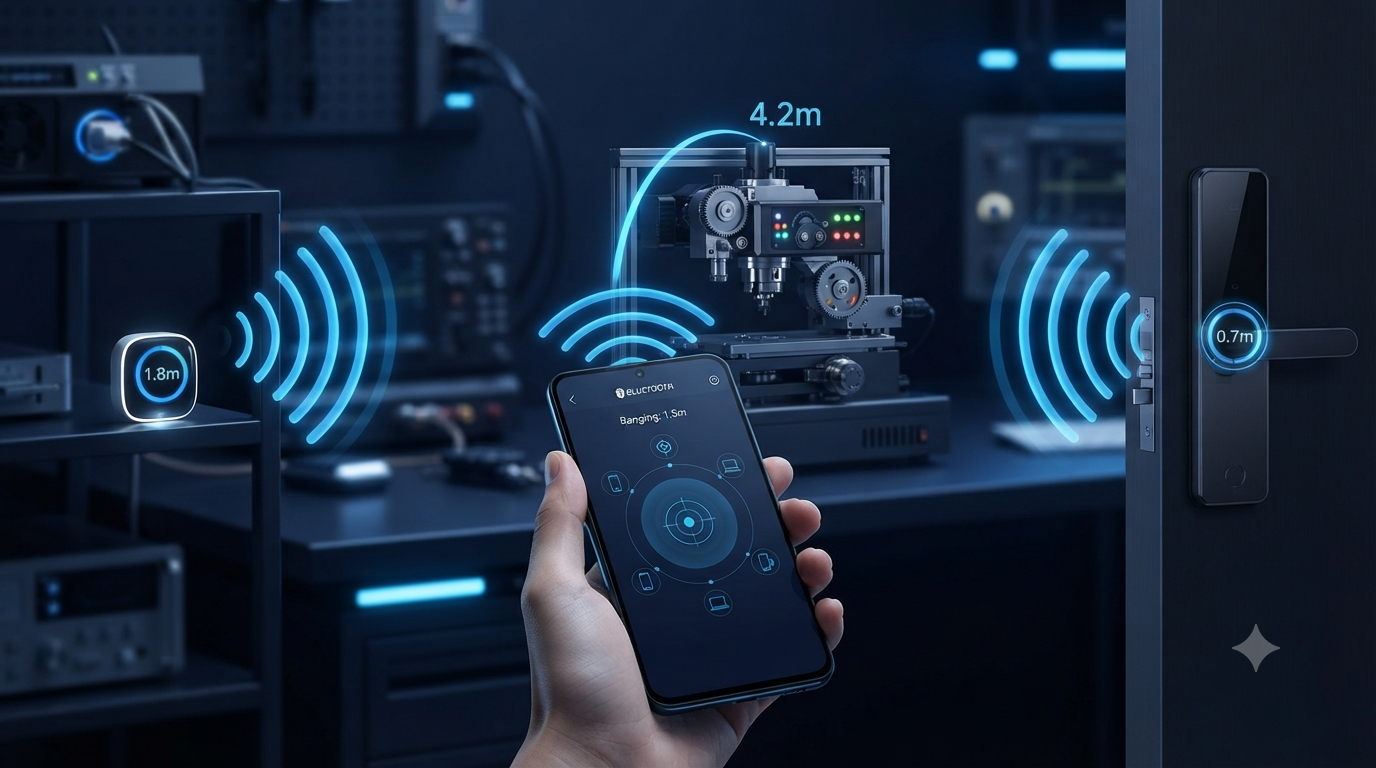
    Bluetooth Low Energy (BLE) technology is evolving beyond basic wireless connectivity. In 2026, one of the most exciting developments is Bluetooth Channel Sounding, a technology that enables compatible devices to measure distance more accurately and securely.

    For businesses developing smart devices, asset-tracking solutions, connected products, and IoT applications, this advancement opens new opportunities to create more intelligent mobile experiences.

    Traditional Bluetooth applications often depend on signal strength to estimate how close a device is. However, signal strength can fluctuate because of walls, interference, and environmental conditions. Bluetooth Channel Sounding introduces a more advanced approach to distance measurement, helping connected devices understand their surroundings more effectively.

    For companies investing in custom BLE app development, this technology could transform how users discover, locate, and interact with connected devices.

    What Is Bluetooth Channel Sounding?

    Bluetooth Channel Sounding is a Bluetooth technology designed to provide secure and accurate distance measurement between compatible devices.

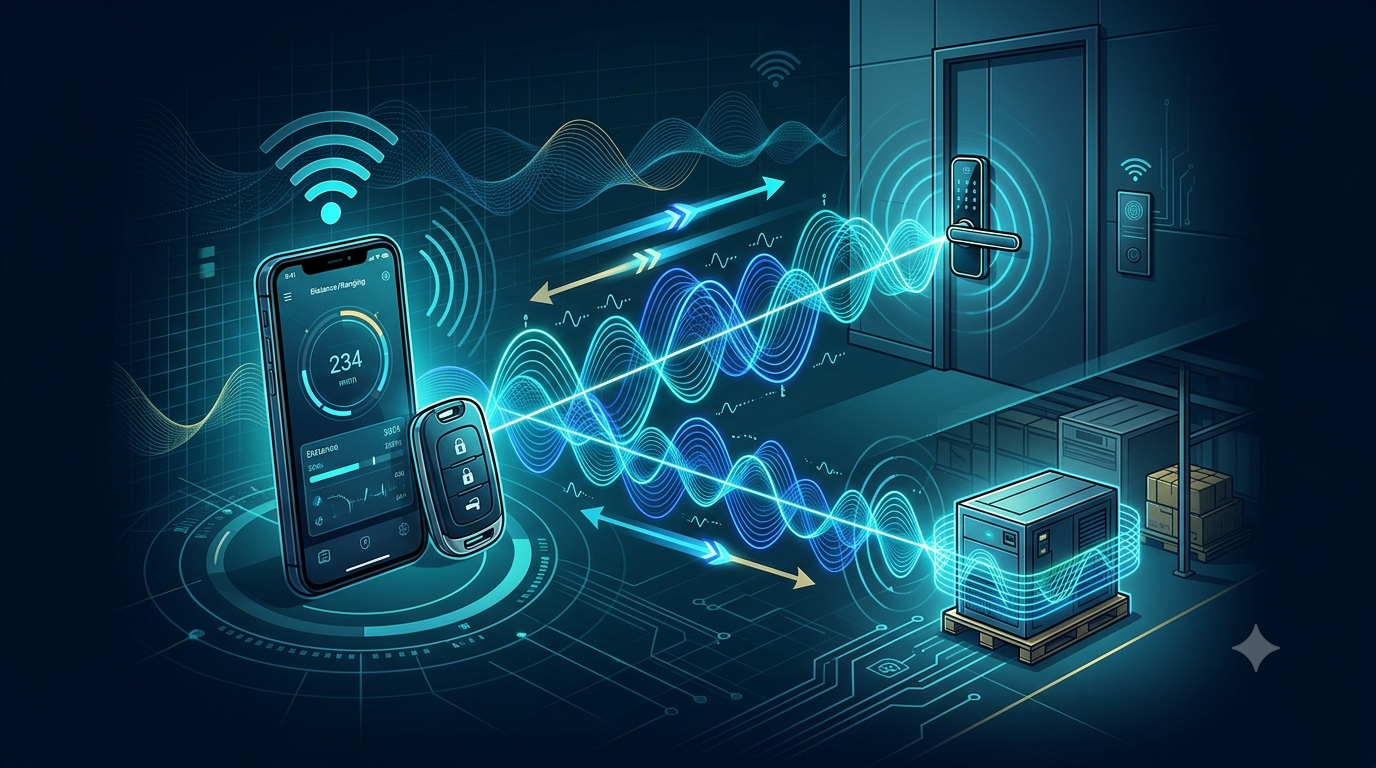
    Unlike traditional proximity detection based on Received Signal Strength Indicator (RSSI), Channel Sounding uses radio-frequency measurements to estimate the distance between two connected devices.

    This capability can support applications where knowing the actual distance between devices is more useful than simply knowing whether a device is nearby.

    For example:

    • Finding misplaced smart devices.
    • Locating industrial equipment.
    • Improving smart access control systems.
    • Supporting digital car key experiences.
    • Building advanced indoor positioning applications.

    According to Bluetooth technology developments in 2026, Channel Sounding is becoming an important capability for industrial tracking, automotive applications, and connected device ecosystems.

    Why Bluetooth Channel Sounding Matters for BLE App Development

    Accurate distance awareness can make mobile applications more interactive and useful.

    Consider a warehouse employee searching for a particular piece of equipment. Instead of receiving a basic notification that the equipment is nearby, an application could provide distance-related information to help locate it.

    Similarly, a smart home application could identify which connected device the user is approaching and display the appropriate controls.

    Here are some important benefits.

    1. More Accurate Asset Tracking

    Businesses often manage hundreds or thousands of connected assets across warehouses, factories, hospitals, and commercial facilities.

    Traditional BLE beacon solutions can help identify nearby assets, but signal-strength-based proximity has limitations.

    Channel Sounding can support more precise distance measurement when compatible hardware and software are available.

    A custom BLE tracking application can help businesses:

    • Monitor equipment locations.
    • Improve asset identification.
    • Reduce time spent searching for tools.
    • Support automated inventory workflows.
    • Improve operational visibility.

    2. Smarter Digital Access Control

    Bluetooth-enabled access systems are becoming increasingly common in offices, hotels, residential buildings, and vehicles.

    With distance-aware capabilities, developers can explore more intelligent access experiences.

    For example, a compatible smart lock application could use proximity information to support context-aware unlocking workflows.

    However, access decisions should also include authentication, authorization, and security checks rather than relying on distance alone.

    3. Better Smart Home Experiences

    Smart home applications connect multiple devices, including lighting systems, door locks, thermostats, sensors, and entertainment equipment.

    Channel Sounding can introduce more context-aware interactions.

    Imagine entering a room and having your application identify the compatible connected device you are approaching.

    Such functionality can make smart home applications more intuitive and reduce unnecessary manual interactions.

    4. Improved Industrial Monitoring

    Manufacturing facilities depend on reliable equipment management and workplace visibility.

    BLE-enabled mobile applications combined with compatible ranging hardware can support:

    • Equipment tracking.
    • Worker proximity awareness.
    • Restricted-zone monitoring.
    • Warehouse asset management.
    • Location-based operational workflows.

    These capabilities can help organizations improve efficiency while supporting workplace safety processes.

    Android and iOS Support: What Developers Should Know in 2026

    Cross-platform compatibility is an important consideration when developing modern Bluetooth applications.

    As of November 2026, Bluetooth Channel Sounding support has expanded across both major mobile ecosystems.

    Android: Support is available on compatible devices, including select phones supporting Android 16 QPR2 and the required Bluetooth hardware.

    iOS: iOS 27 supports Channel Sounding on iPhone 17 and newer compatible models, with certain hardware exceptions.

    However, developers must consider device compatibility, Bluetooth chipset capabilities, operating-system APIs, and accessory requirements before planning a cross-platform implementation.

    For example, compatible iOS accessories have additional requirements, including Inline PCT Transfer (IPT).

    This means businesses should evaluate both smartphone compatibility and connected-device hardware before investing in a Channel Sounding-based application.

    Key Features to Include in a Modern BLE Mobile Application

    Building a successful BLE application requires more than connecting a smartphone to a wireless device.

    A reliable application should include features that improve connectivity, usability, and device management.

    1. Smart Device Discovery

    Automatically scan for compatible Bluetooth devices and provide users with an intuitive discovery experience.

    2. Secure Device Pairing

    Implement appropriate authentication and secure bonding mechanisms to protect communication between devices.

    3. Real-Time Distance Information

    For compatible hardware, use supported ranging capabilities to provide distance-related information.

    4. Device Management Dashboard

    Allow users to monitor connected devices, battery levels, connection status, and operational information.

    5. Background Connectivity

    Design connectivity workflows that account for Android and iOS background execution restrictions.

    6. Data Synchronization

    Synchronize device information with cloud platforms when required, while handling interrupted connections and duplicate records.

    7. Push Notifications

    Provide useful alerts for device status changes, tracking events, and relevant operational activities.

    Challenges in Developing Channel Sounding-Based BLE Applications

    Although advanced Bluetooth capabilities create exciting opportunities, implementing them requires careful engineering.

    Hardware Compatibility

    Not every Bluetooth-enabled smartphone or peripheral supports Channel Sounding. Developers must verify the chipset and device capabilities before implementation.

    Cross-Platform Development

    Android and iOS may expose different APIs, compatibility requirements, and implementation workflows. Applications need platform-specific integration and testing.

    Connectivity Reliability

    Physical obstacles, radio interference, and device placement can influence wireless performance. Applications should handle connection interruptions gracefully.

    Battery Optimization

    Continuous scanning and communication can affect battery consumption. Developers need to optimize scanning intervals, connection parameters, and background operations.

    Data Security

    Connected applications may process sensitive device information. Secure communication, authentication, encryption, and appropriate data access controls are essential.

    How to Choose the Right BLE App Development Company

    Businesses planning to develop advanced Bluetooth applications should look beyond basic mobile app development experience.

    A capable BLE app development company should understand both mobile software and wireless device communication.

    Consider these factors:

    • Experience with Bluetooth Low Energy protocols and GATT services.
    • Android and iOS Bluetooth integration expertise.
    • Experience with BLE SDKs and embedded hardware.
    • Knowledge of device pairing and connectivity troubleshooting.
    • Experience developing IoT and asset-tracking applications.
    • Understanding of Bluetooth security and battery optimization.
    • Ability to test applications across different devices and environments.

    Choosing an experienced development partner can help businesses build scalable applications that work reliably with their connected hardware.

    The Future of BLE App Development

    Bluetooth technology is moving toward more intelligent, responsive, and context-aware connected experiences.

    Channel Sounding is one part of this evolution. Other developments, including Bluetooth LE Audio, improved data throughput, and edge AI integration, are expanding the possibilities for connected products.

    For businesses, the opportunity is not simply to connect more devices. It is to develop applications that make connected devices easier to manage, more useful, and more intelligent.

    Organizations planning their next IoT product should consider how advanced BLE capabilities can improve their product functionality and user experience.

    Conclusion

    Bluetooth Channel Sounding represents an exciting development for BLE application development in 2026. From asset tracking and smart access control to industrial monitoring and connected homes, accurate distance awareness can introduce new possibilities for mobile applications.

    However, successful implementation depends on compatible hardware, platform support, secure communication, and reliable application architecture.

    At BLEAppDeveloper, businesses can explore custom Bluetooth Low Energy application development solutions designed to connect mobile applications with intelligent devices and IoT ecosystems.

    Whether you are developing a new connected product or upgrading an existing Bluetooth solution, the right BLE development strategy can help turn advanced wireless technology into practical business value.

    Ready to build your next BLE-powered application? Connect with an experienced BLE app development team to discuss your project requirements.

  • Bluetooth LE Channel Sounding: How Next-Generation BLE Apps Can Enable More Accurate Device Distance Detection

    Bluetooth Low Energy (BLE) has become an essential technology for connecting smartphones with smart devices, wearables, industrial sensors, and IoT products. Traditionally, BLE applications have used signal strength to estimate how close a device might be. However, signal strength can fluctuate because of walls, interference, device orientation, and surrounding objects.

    Bluetooth LE Channel Sounding introduces a different approach to distance measurement. It enables supported Bluetooth devices to estimate distance more accurately using radio-frequency measurements.

    For businesses developing connected products, this technology creates new opportunities in digital keys, asset tracking, smart access systems, and proximity-based mobile applications.

    What Is Bluetooth LE Channel Sounding?

    Bluetooth LE Channel Sounding is a Bluetooth technology designed to measure the distance between two compatible devices.

    Unlike traditional proximity detection, which often relies on Received Signal Strength Indicator (RSSI), Channel Sounding uses techniques including:

    • Phase-Based Ranging (PBR): Uses the phase of radio signals across multiple frequencies to help estimate distance.
    • Round-Trip Timing (RTT): Measures the time taken for signals to travel between devices and return.

    These techniques can provide more reliable distance estimates than RSSI-based proximity alone, depending on the environment and implementation.

    Bluetooth SIG has highlighted Channel Sounding as an important development for applications involving secure distance awareness and connected-device experiences. BLE App Developers+1

    Why Channel Sounding Matters for BLE App Development

    Traditional BLE applications can identify nearby devices, exchange information, and estimate proximity. However, knowing that a device is nearby does not always tell an application how far away it actually is.

    For example, a smart access application might detect a digital key but still need a better way to determine whether the user is standing directly beside the door or several meters away.

    Channel Sounding can help address this challenge.

    Potential benefits include:

    1. More precise distance estimation between compatible devices.
    2. Better proximity-based user experiences.
    3. Additional security options for supported access-control systems.
    4. Improved asset-finding experiences.
    5. New possibilities for location-aware applications.

    Actual performance depends on hardware support, device implementation, radio conditions, and software design.

    5 Applications of Bluetooth LE Channel Sounding

    1. Smart Digital Keys

    Digital keys allow users to unlock compatible doors using smartphones or other connected devices.

    Channel Sounding can help a system evaluate the distance between a mobile device and a smart lock.

    Possible applications include:

    • Smart home door locks
    • Automotive digital keys
    • Office access systems
    • Hotel room access
    • Secure equipment cabinets

    Developers can integrate distance-aware logic into mobile applications to support a more controlled access experience.

    2. Smart Asset Tracking

    Businesses often need to locate equipment, tools, and valuable assets across warehouses, offices, and industrial facilities.

    Traditional BLE tracking can identify nearby tags, but signal strength alone may not provide dependable distance information.

    Channel Sounding could support more precise finding experiences when compatible hardware is deployed.

    For example, an asset-tracking application could help an employee locate a tagged device inside a facility.

    3. Retail and Indoor Navigation

    Retail businesses can use connected devices to improve customer experiences and operational visibility.

    Potential applications include:

    • Finding products inside large stores
    • Locating shopping carts
    • Managing connected equipment
    • Supporting proximity-based interactions
    • Improving indoor navigation experiences

    Channel Sounding may complement existing beacon and positioning technologies rather than replace every indoor-location system.

    4. Industrial Equipment Monitoring

    Factories and warehouses use connected sensors, tools, and machines that need to be monitored and managed.

    BLE applications incorporating distance-aware capabilities could support equipment identification, proximity alerts, and workflow improvements.

    For example, an application could help workers identify the approximate distance to a compatible tagged tool or machine.

    5. Connected Consumer Products

    Consumer electronics manufacturers can explore Channel Sounding for products that need more intelligent proximity interactions.

    Examples include:

    • Smart accessories
    • Connected home products
    • Wireless device management
    • Personal item finders
    • Smart storage systems

    These experiences depend on compatible hardware and supported operating-system capabilities.

    Channel Sounding vs. Traditional BLE RSSI

    Both technologies can help applications understand device proximity, but they work differently.

    FeatureTraditional BLE RSSIBLE Channel Sounding
    Measurement approachSignal strengthRadio phase and timing measurements
    Distance estimationApproximateDesigned for more accurate ranging
    Environmental sensitivityCan be highly affected by obstaclesAlso affected by radio conditions, but uses different measurement techniques
    Hardware supportWidely available in BLE devicesRequires compatible hardware
    Common applicationsDevice discovery and proximityDistance-aware experiences and ranging

    RSSI remains useful for many BLE applications. Channel Sounding is an additional option when a product requires more dependable distance measurement.

    How to Integrate Channel Sounding into a BLE Mobile Application

    Building an application around Channel Sounding requires coordination between hardware, firmware, Bluetooth communication, and mobile software.

    Step 1: Define the Product Requirements

    Start by identifying the problem the application needs to solve.

    For example:

    • Does the application need to estimate distance?
    • Will it control a smart lock?
    • Does it need to locate tagged assets?
    • Should it trigger alerts when a device approaches or moves away?

    Clear requirements help determine the appropriate hardware and software architecture.

    Step 2: Select Compatible BLE Hardware

    Not every Bluetooth-enabled device supports Channel Sounding.

    The hardware must support the relevant Bluetooth capabilities, and both communicating devices need compatible implementations.

    Developers should confirm chipset, firmware, and platform support before starting integration.

    Step 3: Plan the BLE Communication Architecture

    The application architecture may include:

    • BLE device discovery
    • Device identification
    • Secure connection establishment
    • Channel Sounding procedures
    • Measurement processing
    • Distance estimation
    • Application-level decision logic

    Step 4: Develop the Mobile Application

    The mobile application provides the interface for users to interact with connected devices.

    Depending on the product, it may include:

    • Device discovery and registration
    • Connection status
    • Distance information
    • Proximity notifications
    • Device configuration
    • User authentication
    • Activity history

    Step 5: Implement Security

    Distance measurement should not be treated as complete authentication.

    For applications involving digital keys or physical access, developers should combine appropriate ranging capabilities with authentication, authorization, secure pairing, and access-control policies.

    Step 6: Test on Real Devices

    Testing should include different device positions, orientations, distances, and environmental conditions.

    Developers should also evaluate:

    • Measurement consistency
    • Connection reliability
    • Battery consumption
    • Hardware compatibility
    • Interference
    • Security behavior
    • Mobile operating-system limitations

    Challenges Businesses Should Consider

    Although Channel Sounding offers new possibilities, businesses should evaluate several technical considerations before adopting it.

    Hardware compatibility: Existing BLE devices may not support Channel Sounding. Product hardware may need to be updated.

    Mobile platform support: Availability depends on the phone’s hardware, operating system, and exposed APIs.

    Environmental conditions: Radio signals can be affected by physical surroundings, so real-world validation is essential.

    Security architecture: Ranging should be integrated into a broader security design, particularly for access-control applications.

    Battery performance: Developers need to balance measurement frequency, communication requirements, and power consumption.

    Planning these factors early can help reduce development risks and improve product reliability.

    Why Choose Professional BLE App Developers?

    Channel Sounding-based products require more than standard mobile application development. Businesses need a development team that understands Bluetooth communication, hardware integration, firmware behavior, and mobile operating systems.

    BLEAppDevelopers can help businesses plan and develop custom Bluetooth Low Energy applications involving:

    • Android BLE app development
    • iOS BLE app development
    • Bluetooth device integration
    • BLE GATT communication
    • Smart device connectivity
    • BLE asset tracking applications
    • Proximity-based mobile applications
    • IoT and cloud integration
    • BLE application testing and optimization

    A well-planned development process helps connect hardware capabilities with practical business requirements.

    The Future of BLE Distance-Aware Applications

    Bluetooth technology is continuing to expand beyond basic wireless communication. Channel Sounding, High Data Throughput, and other developments are creating opportunities for more advanced connected-device experiences. BLE App Developers+1

    As compatible hardware becomes more widely adopted, developers may be able to build new applications for smart access, asset tracking, industrial operations, and connected consumer products.

    For businesses planning their next IoT product, understanding these capabilities can help identify valuable opportunities for innovation.

    Conclusion

    Bluetooth LE Channel Sounding represents an important development for applications that need more accurate distance awareness between compatible devices.

    From smart digital keys and asset tracking to industrial equipment and connected consumer products, it creates new possibilities for BLE mobile application development.

    However, successful implementation requires compatible hardware, suitable firmware, secure communication, and thorough real-device testing.

    Planning a Bluetooth-enabled product? Contact BLEAppDevelopers to explore custom BLE mobile application development and hardware integration solutions.

    Frequently Asked Questions

    1. What is Bluetooth LE Channel Sounding?

    Bluetooth LE Channel Sounding is a technology that allows compatible Bluetooth devices to estimate the distance between them using radio-frequency measurement techniques.

    2. How is Channel Sounding different from RSSI?

    RSSI estimates proximity using received signal strength. Channel Sounding uses phase-based and timing-based measurements to provide a more accurate ranging approach.

    3. Does every BLE device support Channel Sounding?

    No. Both devices need compatible hardware and software implementations that support the feature.

    4. Can Channel Sounding be used for digital keys?

    Yes. It can support distance-aware digital key experiences when integrated with compatible hardware and appropriate security mechanisms.

    5. Is Channel Sounding useful for asset tracking?

    It can support more precise finding experiences for compatible tagged assets, depending on the deployment and hardware.

    6. Can businesses build custom Channel Sounding applications?

    Yes. Businesses can develop custom mobile applications around supported Bluetooth hardware, firmware, and platform capabilities.

    7. Why is professional BLE development important?

    Professional BLE developers can help with hardware compatibility, communication protocols, mobile integration, security, testing, and application performance.

  • Beyond Bluetooth Pairing: How BLE Mobile App Development Is Creating Smarter Connected Experiences in 2026

    Bluetooth connectivity has become an important part of everyday technology. From smartwatches and wireless sensors to healthcare equipment and industrial devices, millions of connected products depend on wireless communication to deliver useful experiences.

    However, modern Bluetooth applications are no longer limited to connecting two devices. Businesses now expect mobile applications to discover nearby hardware, exchange real-time information, control connected products, display sensor readings, and communicate with cloud platforms.

    This is where Bluetooth Low Energy (BLE) app development becomes valuable.

    BLE technology allows mobile applications to communicate with compatible devices while supporting energy-efficient wireless operations. For businesses developing smart products, a well-designed BLE application can turn ordinary hardware into an intelligent, interactive product.

    In this article, we explore the latest opportunities in BLE mobile app development, essential features, technical challenges, and how businesses can build reliable Bluetooth-enabled applications.

    1. What Is BLE App Development?

    BLE app development involves creating mobile applications that communicate with Bluetooth Low Energy-enabled hardware.

    These applications can discover nearby devices, establish connections, exchange data, and provide users with controls and information through a mobile interface.

    A typical BLE application may allow users to:

    • Discover nearby Bluetooth devices.
    • Connect and disconnect compatible hardware.
    • Read sensor information.
    • Send commands to connected devices.
    • Monitor device battery levels.
    • Configure device settings.
    • Receive notifications and alerts.
    • Synchronize information with cloud platforms.

    Unlike applications designed primarily for continuous audio streaming, BLE applications often exchange smaller amounts of information efficiently.

    This makes BLE suitable for smart devices that need to communicate periodically without consuming excessive battery power.

    2. Why Businesses Are Investing in Custom BLE Mobile Applications

    Off-the-shelf Bluetooth applications may work for basic device communication, but businesses developing their own products often need customized functionality.

    A custom BLE mobile application can provide complete control over the user experience, device behavior, data presentation, and integration requirements.

    Here are some reasons businesses choose custom BLE app development.

    Better Device Control

    A custom application can provide dedicated controls for hardware functions, allowing users to manage compatible devices directly from their smartphones.

    Real-Time Data Monitoring

    Connected applications can display information received from sensors, including temperature, humidity, movement, and device status.

    Improved Customer Experience

    Businesses can create branded mobile experiences instead of relying on generic third-party Bluetooth applications.

    Cloud Connectivity

    BLE applications can synchronize device information with backend systems for centralized monitoring, analytics, and reporting.

    Product Differentiation

    Custom features and device integrations help manufacturers create products with unique capabilities and better customer experiences.

    3. Top Industries Using BLE Mobile App Development

    BLE technology is creating opportunities across several industries.

    AppleがMasimoを提訴〜W1がApple Watchを模倣と指摘、互いに提訴 | IT NEWS

    Gira KNX systeem: één Smart Home, vele mogelijkheden | Gira

    How BLE Sensors Enable Real-Time Equipment Monitoring in Manufacturing

    13

    A. Healthcare and Fitness Applications

    Healthcare and fitness products frequently use BLE to exchange information between wearable devices and smartphones.

    Examples include:

    • Smart fitness bands
    • Heart rate monitoring devices
    • Smart thermometers
    • Connected weighing scales
    • Wearable health sensors
    • Fitness tracking accessories

    A custom healthcare BLE application can display collected readings, maintain historical records, and synchronize relevant information with backend platforms.

    Medical applications may also require additional privacy, security, and regulatory considerations depending on their intended use.

    B. Smart Home Applications

    Smart home products use BLE for device setup, configuration, and local communication.

    A BLE-enabled smart home application can support:

    • Smart lighting controls
    • Bluetooth door locks
    • Temperature sensors
    • Smart switches
    • Home automation accessories
    • Connected security devices

    Users can manage compatible devices through a mobile interface without relying on complicated manual configurations.

    C. Industrial and Manufacturing Applications

    Industrial businesses use BLE-enabled applications to communicate with sensors, machinery, and monitoring devices.

    Possible use cases include:

    • Equipment monitoring
    • Machine temperature tracking
    • Asset identification
    • Maintenance notifications
    • Device configuration
    • Industrial sensor management

    These applications help operational teams access device information through mobile devices.

    D. Retail and Logistics Applications

    BLE applications can support retail and warehouse operations through proximity-based communication and connected hardware.

    Examples include:

    • Inventory identification
    • Bluetooth beacon integration
    • Indoor navigation
    • Warehouse asset tracking
    • Electronic shelf label management
    • Proximity-based customer experiences

    4. Essential Features of a Modern BLE Mobile Application

    A successful BLE application needs more than a Bluetooth connection button.

    Its features should support the complete device interaction process, from discovery to data management.

    FeaturePurpose
    Device DiscoveryFinds nearby BLE-enabled devices
    Bluetooth PairingEstablishes a supported device relationship
    GATT CommunicationReads and writes device characteristics
    Real-Time MonitoringDisplays incoming sensor information
    Device ManagementControls supported hardware functions
    Push NotificationsAlerts users about important events
    Battery MonitoringDisplays device battery information when available
    Cloud SynchronizationTransfers selected data to backend platforms
    Firmware UpdatesSupports device software maintenance
    User AuthenticationProtects access to application features

    The exact feature set depends on the Bluetooth hardware, firmware capabilities, and intended application.

    5. Understanding BLE Architecture: How Mobile Apps Communicate with Devices

    Developers need to understand BLE architecture before building applications that communicate with Bluetooth-enabled hardware.

    A typical BLE communication process involves several components.

    Bluetooth Low Energy Overview – Qt for Python

    doc.qt.io

    BLE Central and Peripheral Roles

    A smartphone commonly operates as a BLE central device, while a sensor or Bluetooth-enabled product operates as a peripheral.

    The central device scans for nearby peripherals and establishes a connection when required.

    GATT Services and Characteristics

    The Generic Attribute Profile (GATT) defines how information is organized and exchanged between connected BLE devices.

    • Services: Organize related device functionality.
    • Characteristics: Represent individual data values or controls.
    • Descriptors: Provide additional information about characteristics.

    For example, a smart temperature sensor may expose a service containing a temperature characteristic that the mobile application can read or subscribe to.

    Notifications and Indications

    BLE notifications and indications allow connected devices to send updated information to a mobile application.

    This is useful for monitoring sensor readings without continuously requesting data.

    Device Disconnection and Reconnection

    A reliable BLE application should handle unexpected disconnections, Bluetooth being disabled, and changes in device availability.

    Connection recovery is particularly important for applications used in healthcare, industrial monitoring, and wearable technology.

    6. Android vs. iOS BLE App Development: What Should Businesses Know?

    BLE application development requires platform-specific implementation and testing.

    Although Android and iOS both support BLE communication, their operating systems handle permissions, background execution, and device discovery differently.

    Development areaAndroid BLE appiOS BLE app
    Main BLE frameworkAndroid Bluetooth APIsCore Bluetooth
    Device discoveryBLE scanning APIsCore Bluetooth scanning
    Device communicationGATT client APIsCore Bluetooth peripheral interaction
    PermissionsVersion-dependent Bluetooth permissionsBluetooth usage descriptions and authorization
    Background operationSubject to Android background restrictionsSubject to iOS background execution rules
    TestingMultiple devices and Android versionsMultiple supported iPhone and iOS versions

    Businesses should test applications across their intended device range rather than assuming that successful connectivity on one smartphone guarantees compatibility everywhere.

    7. BLE Security: Protecting Mobile Applications and Connected Devices

    Security is an essential part of Bluetooth application development.

    A connected device may exchange personal information, operational data, or commands that affect physical hardware.

    Developers should consider the following security practices:

    Secure Pairing: Use appropriate Bluetooth pairing and bonding mechanisms.

    Authentication: Verify users and devices before granting access to protected functions.

    Encrypted Communication: Use suitable BLE security features to protect sensitive communication.

    Data Protection: Avoid exposing sensitive information through application logs or insecure storage.

    Permission Management: Request only the permissions needed for application functionality.

    Firmware Security: Validate firmware updates and protect devices against unauthorized modifications.

    API Security: Secure communication between mobile applications and cloud platforms.

    Security requirements should be determined by the product’s purpose, data sensitivity, and deployment environment.

    8. Common Challenges in BLE Application Development

    Even a well-planned Bluetooth application can encounter technical difficulties.

    Here are some common development challenges and their solutions.

    ChallengeRecommended solution
    Devices not appearing during scanningReview advertising configuration and permissions
    Frequent disconnectionsOptimize connection parameters and recovery logic
    Different device compatibilityConduct cross-device testing
    Battery consumptionOptimize scanning and connection intervals
    Incorrect sensor readingsValidate data formats and firmware communication
    Background connectivity issuesFollow platform-specific background execution rules
    Security vulnerabilitiesImplement authentication and appropriate encryption

    Testing under real-world conditions is essential because Bluetooth performance can vary with distance, interference, hardware design, and operating system behavior.

    9. BLE and AI Integration: The Next Opportunity for Smart Applications

    The combination of BLE connectivity and artificial intelligence can make connected applications more useful.

    BLE can collect information from connected devices, while AI-powered backend or edge systems can analyze that information and identify meaningful patterns.

    For example, a wearable device can transmit activity measurements to a mobile application. An analytics system can use this information to identify trends and provide personalized insights.

    Potential applications include:

    • Intelligent fitness recommendations
    • Predictive equipment maintenance
    • Smart home automation
    • Anomaly detection in sensor readings
    • Personalized wearable experiences
    • Industrial monitoring and analytics

    AI does not replace BLE communication. Instead, it adds another layer of intelligence to the data collected through connected devices.

    10. How to Choose the Right BLE App Development Company

    Selecting an experienced development partner can make a significant difference in the performance and reliability of your Bluetooth-enabled product.

    Before choosing a company, evaluate its expertise in the following areas:

    • Android BLE application development
    • iOS Bluetooth application development
    • BLE hardware integration
    • GATT services and characteristics
    • Embedded firmware development
    • Bluetooth device testing
    • Cloud and API integration
    • IoT application development
    • Bluetooth security implementation
    • Long-term application maintenance

    A capable BLE development team should understand both mobile application requirements and the hardware communication process.

    This ensures that the application and connected device work together as one complete solution.

    Conclusion: Build Better Connected Experiences with BLE App Development

    Bluetooth Low Energy is helping businesses create smarter connected products across healthcare, fitness, manufacturing, retail, and smart home industries.

    However, a successful BLE application requires more than basic Bluetooth connectivity. It needs a reliable communication architecture, intuitive user experience, secure data exchange, platform compatibility, and proper device testing.

    Whether you are developing a wearable application, an industrial monitoring platform, or a smart home solution, custom BLE app development can help turn your connected product idea into a practical digital experience.

    BLEAppDeveloper helps businesses explore custom Bluetooth Low Energy application development, device integration, and connected IoT solutions.

    Build applications that connect devices, simplify interactions, and create smarter experiences for your customers.

    Frequently Asked Questions (FAQs)

    Q1. What is BLE app development?

    BLE app development involves building mobile applications that communicate with Bluetooth Low Energy-enabled devices for data exchange, device control, monitoring, and configuration.

    Q2. Can BLE applications work on both Android and iOS?

    Yes. Android and iOS both support BLE application development through their respective Bluetooth APIs. However, platform-specific permissions and background execution requirements must be considered.

    Q3. What is GATT in Bluetooth Low Energy?

    GATT stands for Generic Attribute Profile. It defines how BLE devices organize and exchange information using services, characteristics, and descriptors.

    Q4. How much does BLE app development cost?

    The cost depends on application complexity, supported platforms, hardware integration, backend requirements, security features, and testing needs. A project assessment is generally required for an accurate estimate.

    Q5. Can a BLE mobile application work without an internet connection?

    Yes. BLE communication between a compatible mobile device and peripheral can work without internet access. However, cloud synchronization and remote monitoring typically require an internet connection.

    Q6. What industries use BLE mobile applications?

    Healthcare, fitness, manufacturing, logistics, retail, smart home automation, automotive, and consumer electronics industries use BLE-enabled applications.

    Q7. Can BLE applications support real-time data monitoring?

    Yes. BLE notifications and indications can deliver device updates to connected applications, allowing users to monitor sensor readings and device status.

    Q8. What is the difference between BLE and Bluetooth Classic?

    Bluetooth Classic is commonly used for continuous data applications such as audio streaming, while BLE is designed for energy-efficient communication, including periodic data exchange and sensor connectivity.

  • BLE App Development in 2026: How Bluetooth Low Energy Apps Are Powering Smarter Connected Devices

    Bluetooth Low Energy (BLE) is becoming an essential technology for businesses building smart, connected products. From wearable devices and healthcare equipment to industrial sensors and asset-tracking systems, BLE enables mobile applications to communicate with nearby devices while supporting energy-efficient wireless connectivity.

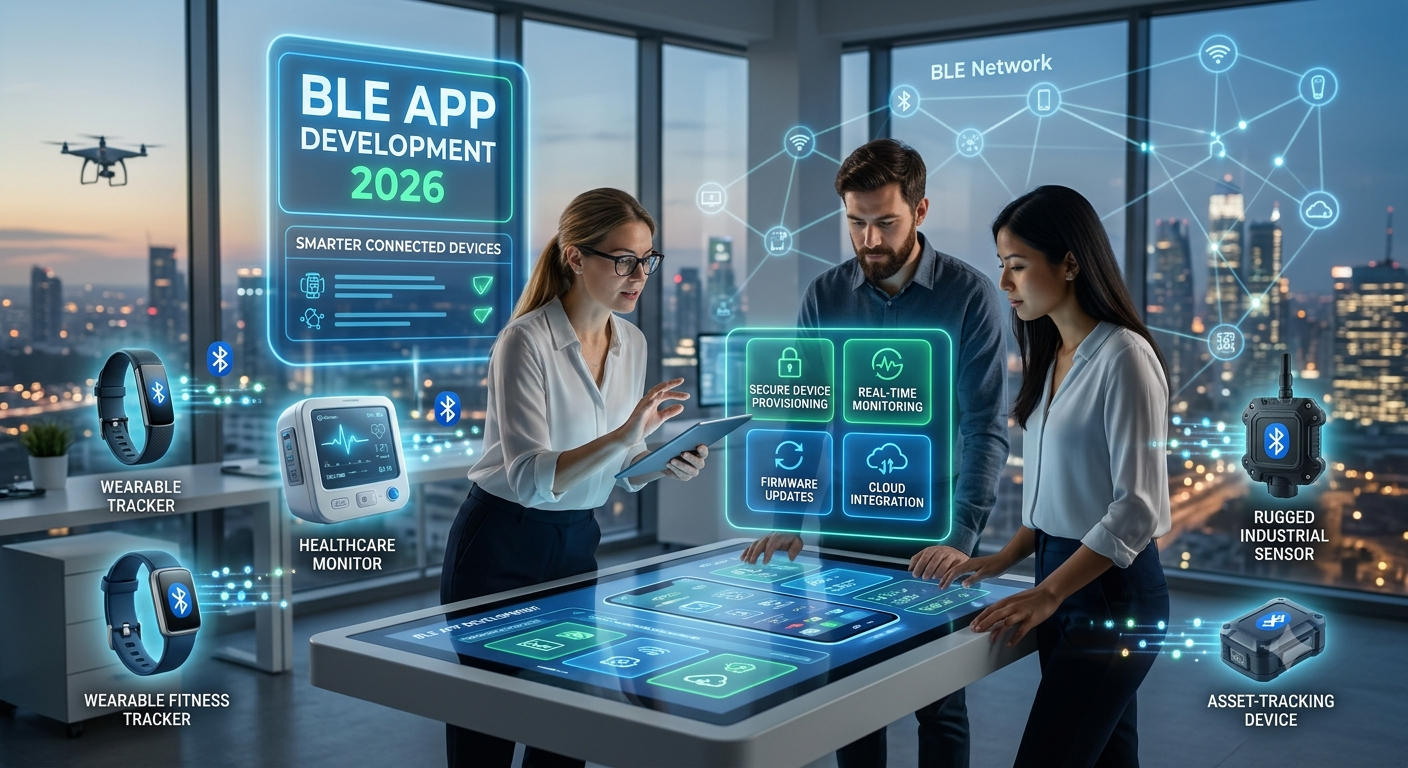
    In 2026, BLE app development is evolving beyond basic device pairing. Businesses increasingly need secure device provisioning, real-time sensor monitoring, reliable mobile connectivity, firmware updates, and integration with cloud platforms.

    For companies planning a new connected product, working with experienced BLE app developers can help transform a hardware concept into a practical, scalable, and user-friendly application.

    What Is BLE App Development?

    BLE app development involves creating mobile applications that communicate with Bluetooth Low Energy-enabled devices. These applications can discover nearby peripherals, establish connections, exchange data, configure device settings, and display information collected by sensors.

    Unlike traditional Bluetooth applications designed for use cases such as continuous audio streaming, BLE is particularly suitable for devices that transmit relatively small amounts of data and need to conserve battery power.

    A typical BLE mobile application may include:

    • Bluetooth device discovery and pairing
    • Sensor data collection and visualization
    • Device configuration and remote controls
    • Real-time notifications and alerts
    • Secure device authentication
    • Firmware update workflows
    • Cloud synchronization and reporting
    • Multiple-device management

    The exact features depend on the product’s purpose, hardware capabilities, and target users.

    1. Latest BLE App Development Trends in 2026

    The BLE ecosystem continues to evolve as businesses look for more accurate device interactions, better energy efficiency, and smarter connected experiences.

    Bluetooth Channel Sounding and Precise Ranging

    Bluetooth Channel Sounding supports standardized distance-measurement techniques using compatible devices. It can enable more precise ranging than approaches that rely only on received signal strength.

    Potential applications include digital keys, item finding, access control, and industrial asset visibility.

    Developers should confirm hardware, operating-system, and Bluetooth-stack support before incorporating Channel Sounding into an application.

    AI-E

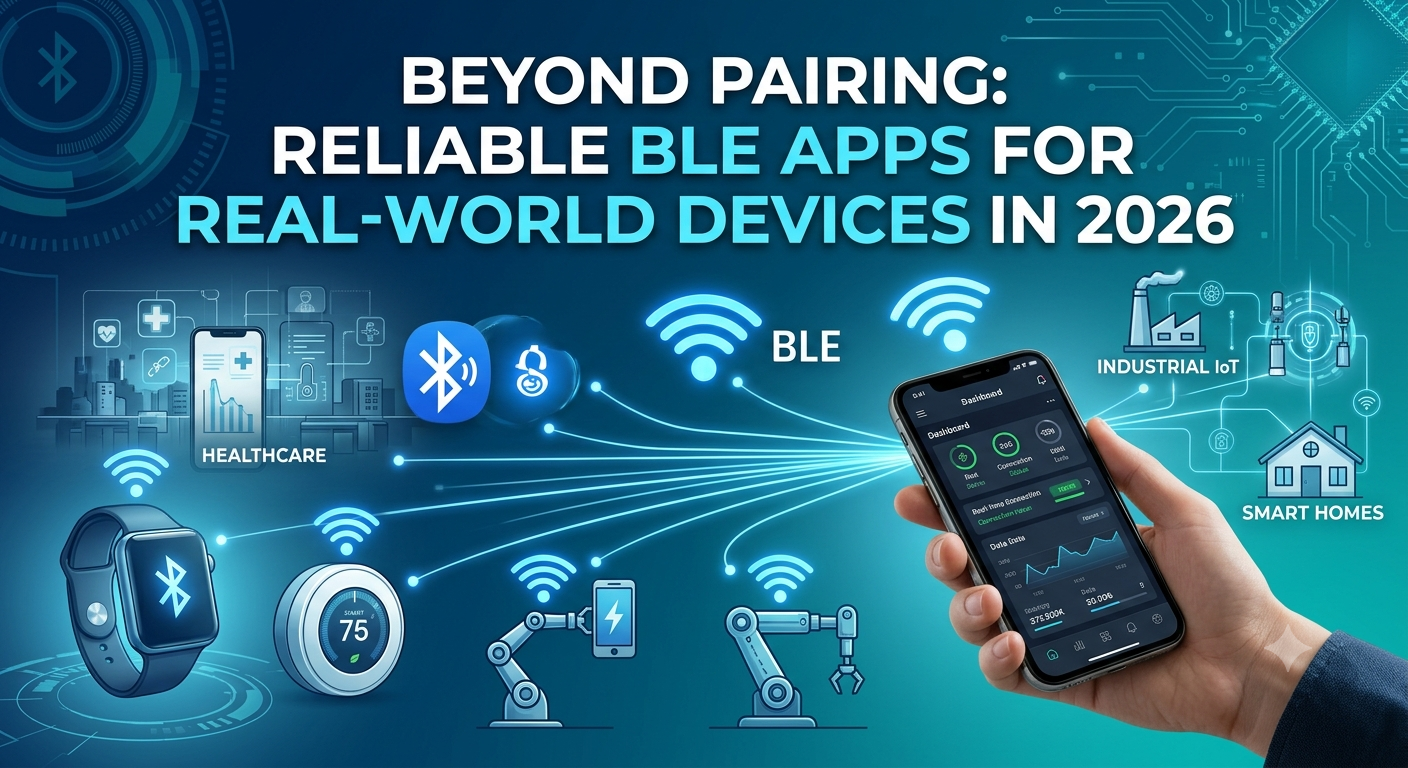
  • Beyond Bluetooth Pairing: How to Build Reliable BLE Apps for Real-World Devices in 2026

    Imagine buying a smart device that connects perfectly during setup but disconnects whenever you walk into another room. Or a wearable that stops synchronizing data when the mobile app moves into the background.

    These problems are not just frustrating for users. They can undermine trust in an entire connected product.

    In 2026, successful Bluetooth Low Energy (BLE) app development is about much more than discovering a device and establishing a Bluetooth connection. Businesses need applications that manage connections intelligently, communicate securely, handle interruptions, and deliver consistent performance across compatible devices.

    For companies building smart hardware, wearables, industrial sensors, and Internet of Things (IoT) products, reliability should be a core part of the development strategy from day one.

    What Makes a BLE Application Reliable?

    A reliable BLE application is designed to communicate with compatible Bluetooth Low Energy devices while handling real-world conditions such as signal interference, connection loss, changing permissions, and different mobile operating-system behaviors.

    Depending on the product, a BLE app may need to:

    • Discover and identify nearby devices.
    • Connect to compatible hardware.
    • Read sensor measurements and device status.
    • Send commands and configuration settings.
    • Recover from unexpected disconnections.
    • Synchronize information with a cloud platform.
    • Protect sensitive information.
    • Support firmware updates when required.

    A successful application combines these capabilities with an intuitive user experience and a carefully tested communication architecture.

    Why BLE App Development Requires More Than Basic Connectivity

    Bluetooth Low Energy is designed for efficient, short-range wireless communication and is particularly useful for battery-powered devices. However, the quality of a BLE product depends on how the complete system is engineered.

    1. Connection Management

    A mobile device may move out of range, encounter radio interference, or temporarily lose its connection with a peripheral.

    A robust BLE application should maintain a clear connection state and implement appropriate recovery behavior. Depending on the product, this can include controlled reconnection attempts, connection timeouts, and informative messages when a device becomes unavailable.

    Repeatedly scanning and reconnecting without limits can waste battery power and create a poor user experience.

    2. Background Connectivity

    Some products need to continue receiving device updates when the user is not actively using the application.

    Android and iOS handle background Bluetooth activity differently. Developers must account for operating-system permissions, background execution limits, application lifecycle events, and the intended behavior of the specific device.

    Background connectivity should be designed around actual product requirements rather than assumed to work identically on every smartphone.

    3. Battery Efficiency

    BLE helps reduce energy consumption, but inefficient application behavior can still drain a smartphone or connected device’s battery.

    Developers can improve efficiency by selecting suitable scan intervals, avoiding unnecessary communication, using notifications where appropriate, and managing connection parameters according to device capabilities.

    The objective is to balance responsiveness, reliability, and power consumption.

    4. Secure Device Communication

    A Bluetooth connection alone does not automatically make an application secure.

    Depending on the product, developers may need device authentication, secure pairing, encryption, application-level authorization, and secure backend communication.

    This is especially important for smart locks, healthcare devices, industrial equipment, and other products where unauthorized commands or exposed data could have serious consequences.

    Five Essential Features of a Modern BLE Application

    Device Discovery and Identification

    The application should identify compatible peripherals and help users select the correct device. Product-specific identifiers and supported advertising data can help prevent accidental connections to the wrong hardware.

    Real-Time Data Monitoring

    BLE applications can display measurements from connected sensors, including temperature, movement, battery status, and other device-specific readings.

    For monitoring products, the interface should distinguish between current readings, historical values, and unavailable data.

    Intelligent Reconnection

    A well-designed application should respond appropriately when a device disconnects.

    For example, it can attempt reconnection under defined conditions, update the connection status, and notify the user if manual intervention is necessary.

    Device Configuration and Remote Management

    Depending on the device’s capabilities, users may be able to change settings, review device status, manage supported features, or synchronize configurations through the application.

    Over-the-Air Firmware Updates

    Some BLE products support firmware updates through a mobile application. These workflows require careful handling of compatibility, interrupted transfers, verification, and recovery to avoid leaving hardware in an unusable state.

    Firmware-update support must be designed for the specific hardware and firmware architecture.

    Real-World Industries That Benefit From Reliable BLE Apps

    Healthcare and Connected Wellness

    BLE-enabled wearables and compatible monitoring devices can transfer measurements to mobile applications for display, review, and synchronization.

    Development teams should prioritize secure data handling, dependable communication, clear error states, and applicable medical-device requirements.

    Smart Homes and Digital Access

    Smart locks, connected sensors, lighting products, and other home devices can use BLE for local communication and configuration.

    For access-control products, device authentication and carefully controlled authorization are especially important.

    Industrial IoT and Predictive Maintenance

    BLE sensors can provide equipment measurements and status information to mobile applications used by field technicians.

    When connected to suitable analytics systems, these applications can help organizations monitor equipment conditions, investigate anomalies, and support maintenance planning.

    Wearables and Fitness Products

    Fitness trackers and connected sports equipment can synchronize activity data, device settings, and notifications with mobile apps.

    A reliable synchronization process helps reduce missing data and makes the overall product experience more consistent.

    Retail and Asset Tracking

    BLE beacons and compatible tracking devices can support proximity experiences, inventory workflows, and asset visibility.

    Accuracy depends on the hardware, deployment environment, signal conditions, and tracking approach. BLE proximity should not automatically be treated as precise indoor positioning.

    BLE App Architecture: From Device to Cloud

    A BLE application often forms part of a broader connected-product ecosystem.

    A typical architecture may look like this:

    BLE Device → Mobile Application → Secure API → Cloud Platform → Analytics Dashboard

    Each component has a different responsibility.

    • BLE device: Measures information or receives supported commands.
    • Mobile application: Discovers the device, manages communication, and presents data.
    • Secure API: Controls authorized communication with backend services.
    • Cloud platform: Stores and processes relevant information.
    • Analytics dashboard: Helps users and businesses interpret device data.

    Not every product requires every layer. A simple local-control application may operate without cloud connectivity, while an enterprise IoT platform may need centralized device management and reporting.

    The architecture should match the product’s actual requirements.

    BLE App Development for Android and iOS

    Developing for both mobile platforms requires platform-specific implementation and testing.

    Android BLE Development

    Android provides APIs for discovering BLE devices, accessing services, and exchanging information with peripherals.

    Developers must consider Bluetooth permissions, device compatibility, scanning behavior, connection-state management, and background restrictions.

    iOS BLE Development

    Apple’s Core Bluetooth framework supports communication with BLE peripherals.

    An iOS application must account for Bluetooth authorization, application lifecycle behavior, background execution requirements, and connection management.

    Cross-Platform Development

    Cross-platform frameworks can reduce duplicated user-interface work, but Bluetooth functionality still needs careful testing against the native capabilities and restrictions of each platform.

    The best approach depends on device complexity, required performance, development resources, and long-term maintenance needs.

    How to Test a BLE App Before Launch

    Testing only on one smartphone in a controlled office environment is not enough for many connected products.

    A practical testing strategy should cover:

    1. Device compatibility: Test supported phones, operating-system versions, and hardware variants.
    2. Connection stability: Test disconnections, reconnections, signal loss, and out-of-range conditions.
    3. Data integrity: Verify that transmitted measurements and commands are interpreted correctly.
    4. Battery consumption: Measure power usage under realistic scanning and connection patterns.
    5. Security: Evaluate authentication, permissions, sensitive-data handling, and unauthorized access scenarios.
    6. Background behavior: Test the required behavior when the app is minimized, suspended, or reopened.
    7. Firmware compatibility: Verify communication with supported firmware versions and test update recovery if applicable.
    8. User experience: Make connection states, errors, and recovery instructions easy to understand.

    Testing should reflect how customers will actually use the product, including imperfect connectivity and unexpected interruptions.

    Common BLE Development Mistakes to Avoid

    Even a technically functional application can create problems if the complete experience is overlooked.

    Mistake 1: Assuming Bluetooth is always available. Handle disabled Bluetooth, denied permissions, and unavailable devices gracefully.

    Mistake 2: Scanning continuously. Use a scanning strategy appropriate to the product’s discovery and power requirements.

    Mistake 3: Ignoring operating-system differences. Design and test Android and iOS behavior separately where necessary.

    Mistake 4: Treating connection as authentication. Implement suitable security controls for the device and data being protected.

    Mistake 5: Skipping hardware testing. Test against actual target devices rather than relying exclusively on simulators or mock peripherals.

    Mistake 6: Overlooking maintenance. Plan for application updates, supported firmware versions, diagnostics, and customer support after release.

    Addressing these issues early can reduce rework and improve the reliability of the finished product.

    How BLEAppDeveloper Can Help Build Connected Applications

    Developing a successful BLE product requires coordination between mobile software, Bluetooth communication, hardware behavior, security, and sometimes cloud infrastructure.

    BLEAppDeveloper can position its services around helping businesses develop applications for BLE-enabled products, including:

    • Custom BLE mobile application development
    • Android and iOS Bluetooth integration
    • BLE device configuration and monitoring
    • IoT application development
    • Hardware and firmware integration
    • Cloud APIs and device-data synchronization
    • BLE application testing and optimization
    • Ongoing maintenance and feature enhancements

    A good project starts with a clear understanding of the hardware, communication requirements, target mobile platforms, security needs, and expected user experience.

    From there, the development team can define the architecture, build a focused prototype, validate it with real devices, and expand the application based on testing results.

    The Future of BLE App Development

    BLE applications are evolving alongside connected devices, intelligent sensors, edge computing, and AI-enabled products.

    New Bluetooth capabilities are also expanding possibilities for applications that need more sophisticated proximity awareness and connected experiences. Bluetooth Channel Sounding, for example, is designed to support secure distance awareness between compatible devices.

    These developments create opportunities in digital access, industrial monitoring, connected consumer products, and other applications where proximity and device interaction matter.

    However, the value of a new capability depends on compatible hardware, supported platforms, and a suitable implementation.

    Businesses should focus on choosing technology that solves a real product problem rather than adopting new features simply because they are available.

    Conclusion

    Reliable BLE app development is about creating a complete connected experience—not just making two devices communicate.

    Connection recovery, battery efficiency, secure data exchange, platform compatibility, and real-world hardware testing all influence whether a product succeeds after launch.

    For businesses developing smart devices, wearables, industrial sensors, or IoT solutions, investing in these fundamentals can improve product quality and customer confidence.

    Building a Bluetooth-enabled product? Contact BLEAppDeveloper to discuss your hardware requirements, mobile application features, and BLE integration strategy.

    Frequently Asked Questions

    What is BLE app development?

    BLE app development involves creating mobile or software applications that communicate with Bluetooth Low Energy devices to exchange data, control supported functions, and monitor device status.

    Why does a BLE application keep disconnecting?

    Possible causes include signal interference, distance, peripheral behavior, operating-system restrictions, power management, or application-level connection handling. The underlying cause should be identified before choosing a fix.

    Can one BLE app support both Android and iOS?

    Yes, many products can support both platforms. However, Bluetooth APIs, permissions, background behavior, and device compatibility need platform-specific implementation and testing.

    How much does BLE app development cost?

    The cost depends on application complexity, supported hardware, mobile platforms, firmware requirements, cloud integration, security, and testing. A technical discovery phase can help establish an accurate estimate.

    Can BLE apps work without the internet?

    Yes. BLE communication between a mobile device and a nearby peripheral can work without an internet connection. Cloud synchronization and remote features require additional connectivity.

    Is BLE suitable for IoT applications?

    BLE is suitable for many IoT applications that need low-power, short-range communication. The best connectivity option depends on range, bandwidth, power consumption, network topology, and product requirements.

    What should businesses look for in a BLE app development company?

    Evaluate experience with BLE protocols, real hardware, Android and iOS development, firmware integration, security, testing, cloud connectivity, and post-launch maintenance.


  • From Silent Sensors to Smart Decisions: How BLE App Development Is Powering the Next Generation of IoT in 2026

    Introduction: The Small Technology Behind Big Innovations

    Imagine a warehouse that knows where its equipment is, a wearable that synchronizes data with a smartphone, or a factory technician who can inspect a machine without opening its control panel. These experiences depend on technologies that quietly connect the physical and digital worlds.

    One of those technologies is Bluetooth Low Energy (BLE).

    In 2026, BLE is becoming an important building block for connected products because it supports low-power wireless communication between compatible devices. But the real business value comes from the software built around it. A well-designed BLE mobile application can transform raw sensor readings into useful information, simplify device management, and create better customer experiences.

    For businesses building smart products, BLE app development is no longer just about connecting devices. It is about making connected devices useful, reliable, and intelligent.

    1. Why BLE App Development Matters in 2026

    Connected products must do more than exchange data. They need to provide a reliable experience without draining batteries, confusing users, or creating unnecessary maintenance work.

    Bluetooth Low Energy is designed for applications where power efficiency is important. It can support communication with sensors, trackers, wearables, industrial devices, and compatible consumer electronics.

    Here is why businesses are investing in custom BLE application development:

    • Lower-power connectivity: Suitable for many battery-powered products.
    • Direct device interaction: Mobile applications can discover and communicate with supported nearby BLE devices.
    • Faster product onboarding: Users can configure compatible hardware through a smartphone.
    • Real-time visibility: Applications can present readings and device status in an understandable format.
    • Flexible IoT integration: Mobile apps can pass selected device data to cloud platforms and business systems.
    • New digital services: Hardware manufacturers can offer dashboards, premium features, alerts, and remote support workflows.

    The result is an opportunity to build more valuable connected products rather than selling hardware alone.

    2. Five Innovative Ways Businesses Can Use BLE Applications

    A. Smart Warehouses That Can Locate and Monitor Assets

    Imagine a warehouse where staff spend less time searching for tools, containers, and equipment.

    BLE beacons, tags, and compatible receivers can support asset identification and proximity-based tracking. Depending on the hardware architecture and deployment, businesses may also build workflows for equipment monitoring and inventory visibility.

    A custom BLE application can help staff:

    • Identify nearby tagged assets
    • View equipment information
    • Record inspection status
    • Receive proximity-based notifications
    • Synchronize records with inventory software

    Business opportunity: Reduce manual tracking effort and improve operational visibility.

    One important consideration: a beacon does not automatically provide precise location. Accuracy depends on the deployment, receiver arrangement, environment, and positioning method.

    B. Wearables That Deliver More Than Notifications

    Wearables have evolved beyond step counters and simple alerts. BLE can connect compatible sensors to mobile applications that present activity measurements, device status, and other collected information.

    A custom wearable app may provide:

    • Live or periodically updated readings
    • Historical trends and visual reports
    • Device configuration
    • Battery and connection status
    • Secure synchronization with a backend platform

    For products involving medical measurements, developers must consider accuracy, validation, privacy, and applicable regulatory requirements.

    C. Industrial Sensors That Help Prevent Downtime

    Unexpected equipment failures can disrupt production and increase maintenance costs.

    BLE-enabled sensors can provide readings such as temperature, humidity, or vibration, depending on the hardware. A technician’s mobile app can retrieve these measurements during inspection and identify readings that require attention.

    A more advanced solution can synchronize collected information with a cloud platform, where analytics tools help teams identify unusual patterns.

    The application might include threshold alerts, maintenance logs, equipment profiles, and diagnostic reports.

    Business opportunity: Make inspections more efficient and give maintenance teams better access to equipment data.

    D. Smart Buildings That Respond to Their Environment

    Connected building systems can use BLE devices to support environmental monitoring, room-related services, and compatible smart controls.

    A BLE mobile application may allow authorized users to configure sensors, check environmental readings, manage devices, or troubleshoot connectivity.

    For larger deployments, the app can integrate with building-management systems and cloud dashboards.

    The key is to design the complete solution around real operating conditions, security requirements, and the appropriate wireless architecture.

    E. Retail Experiences That React to Customer Context

    Retail businesses can use BLE beacons to support proximity-based experiences, provided customers have the required application permissions and settings enabled.

    Possible applications include in-store navigation, product information, staff workflows, and location-aware notifications.

    The best implementations focus on genuine customer value rather than sending excessive promotional messages.

    Privacy-conscious design, transparent permissions, and relevant notifications are essential for building trust.

    3. What Makes a BLE Mobile Application Truly Excellent?

    A BLE app can look attractive and still fail if its wireless communication is unreliable. Great applications combine thoughtful user experience with careful engineering.

    Reliable Device Discovery

    The app should identify compatible devices and make the connection process easy to understand. Users should receive clear guidance when Bluetooth is disabled, permissions are missing, or a device is unavailable.

    Intelligent Connection Management

    Connections can be interrupted by distance, interference, device sleep behavior, or operating-system restrictions.

    A robust app should manage connection states, timeouts, disconnections, and appropriate reconnection attempts without leaving users confused.

    Efficient GATT Communication

    Many BLE applications use the Generic Attribute Profile (GATT) to interact with device services and characteristics.

    Developers need to understand the hardware’s GATT specification, data formats, supported operations, and notification behavior to implement reliable communication.

    Security From the Beginning

    Connected products can expose sensitive information or device controls if security is overlooked.

    Depending on the use case, a secure solution may require authenticated pairing, encryption, protected credentials, authorization, secure API communication, and regular security testing.

    Cross-Platform Compatibility

    iOS and Android handle Bluetooth permissions and background execution differently. A cross-platform strategy must account for those differences rather than assume every device behaves identically.

    Useful Data Visualization

    Raw sensor values rarely tell the whole story. Clear charts, device status indicators, historical trends, and actionable alerts help users understand what the data means.

    4. The New Opportunity: Combining BLE, Cloud Computing, and AI

    BLE itself does not require artificial intelligence. However, BLE applications can collect data that a separate analytics or AI system processes to identify patterns and support decisions.

    Consider an industrial monitoring product:

    1. A compatible sensor measures equipment vibration.
    2. A mobile application retrieves the readings over BLE.
    3. The application sends permitted data to a cloud platform.
    4. An analytics model evaluates trends against relevant historical information.
    5. A dashboard highlights unusual behavior for review.

    This approach may help maintenance teams prioritize inspections or investigate developing problems.

    Other potential applications include personalized fitness insights, environmental monitoring, device usage analysis, and automated service recommendations.

    AI predictions should be validated against appropriate data and operating conditions. They should not be presented as guaranteed outcomes.

    5. The BLE App Development Process: From Idea to Connected Product

    Turning a hardware concept into a reliable application requires a structured development process.

    Step 1: Define the product requirements

    Identify the target audience, supported hardware, mobile platforms, expected range, data frequency, and business objectives.

    Step 2: Validate the hardware

    Review the Bluetooth chipset, firmware, supported GATT services, security capabilities, and manufacturer documentation.

    Step 3: Design the user experience

    Plan device discovery, onboarding, connection status, data displays, troubleshooting, and error handling.

    Step 4: Build the BLE communication layer

    Implement scanning, connection management, service discovery, characteristic reads and writes, notifications, and supported device-specific operations.

    Step 5: Integrate backend services

    Where necessary, add authentication, cloud synchronization, analytics, device management, and business APIs.

    Step 6: Test under real-world conditions

    Test supported phones and operating-system versions, multiple devices, connection interruptions, interference, battery behavior, and relevant security scenarios.

    Step 7: Launch and improve

    Monitor product feedback, address compatibility issues, and plan updates for application and firmware changes.

    This process helps uncover technical risks before they become expensive problems after launch.

    6. Common BLE Development Mistakes Businesses Should Avoid

    Even promising connected products can struggle when critical engineering details are ignored.

    Mistake 1: Testing only with simulators. Real hardware testing is essential because device behavior and wireless conditions vary.

    Mistake 2: Ignoring background restrictions. Mobile operating systems limit certain background activities, so applications must be designed around supported behaviors.

    Mistake 3: Treating every BLE device the same. Services, characteristics, payload formats, and capabilities can differ significantly between products.

    Mistake 4: Delaying security work. Authentication, access control, and sensitive-data protection should be part of the architecture from the beginning.

    Mistake 5: Ignoring firmware compatibility. Changes to device firmware can affect communication, so applications and firmware need coordinated testing and version management.

    Avoiding these mistakes can improve reliability, reduce troubleshooting costs, and create a better experience for end users.

    7. How to Choose the Right BLE App Development Company

    The right development partner should understand both mobile software and the behavior of connected hardware.

    Before selecting a BLE app development company, evaluate its experience with:

    • Bluetooth Low Energy and GATT-based communication
    • Native iOS and Android development
    • Embedded systems and firmware integration
    • IoT platforms, cloud services, and APIs
    • Hardware compatibility and real-device testing
    • Security engineering and data privacy
    • Long-term maintenance and product upgrades

    Ask how the team plans to test connectivity failures, handle firmware changes, optimize power consumption, and support future device versions.

    A partner who can explain these challenges clearly is better positioned to help you build a reliable connected product.

    Frequently Asked Questions

    What is BLE app development?

    BLE app development is the creation of mobile applications that communicate with Bluetooth Low Energy devices to collect data, control compatible hardware, configure products, and support connected experiences.

    What industries benefit from custom BLE apps?

    Healthcare and wellness, industrial IoT, retail, logistics, smart buildings, consumer electronics, and asset management can all benefit from BLE applications when the technology fits their requirements.

    Can BLE applications work on iOS and Android?

    Yes. Developers can build BLE applications for both platforms, but permissions, background behavior, Bluetooth APIs, and hardware compatibility must be considered.

    Can a BLE application work without the internet?

    Many BLE functions can operate locally without an internet connection, provided the device and application support them. Cloud synchronization, remote access, and online analytics generally require network connectivity.

    Can BLE apps integrate with AI systems?

    Yes. A BLE app can send suitable device data to an analytics platform or AI service for pattern analysis, alerts, and decision support. The actual capabilities depend on data quality, architecture, and product requirements.

    How much does BLE app development cost?

    The cost depends on the number of supported devices, application complexity, hardware and firmware requirements, platform coverage, backend integration, security needs, and testing scope. A clear requirements assessment is the best starting point for an accurate estimate.

    Conclusion: Build Connected Products That Deliver Real Value

    The next generation of IoT products will not succeed simply because they contain wireless technology. They will succeed when connectivity makes products easier to use, easier to maintain, and more valuable to customers.

    Custom BLE app development gives businesses a way to connect hardware with mobile experiences, operational workflows, and cloud-based insights.

    Whether you are developing a wearable, an industrial sensor, a smart accessory, or a connected consumer product, the right architecture and development process can turn your concept into a practical solution.

    Ready to bring your connected product to life? BLEAppDeveloper can help you explore Bluetooth Low Energy app development, device integration, cross-platform applications, and IoT connectivity solutions.


  • From Bluetooth to Smart Experiences: How BLE App Development Is Transforming Connected Products in 2026

    Introduction: Your Next Smart Product May Start With Bluetooth

    What if a product could communicate with a smartphone, share useful data, and deliver a personalized experience without depending on a constant internet connection?

    That is one of the biggest advantages of Bluetooth Low Energy (BLE).

    From fitness trackers and smart locks to industrial sensors and healthcare accessories, BLE technology enables devices to communicate wirelessly while consuming relatively little power. For businesses developing connected products, a well-designed mobile application can turn this communication into a useful customer experience.

    In 2026, BLE app development is about much more than connecting a phone to a device. It involves reliable device discovery, secure pairing, real-time data exchange, firmware management, and intuitive interfaces that make connected technology easier to use.

    For businesses planning their next connected product, choosing experienced BLE app developers can make the difference between a basic Bluetooth connection and a product customers want to use every day.

    What Is BLE App Development?

    BLE app development involves building mobile applications that communicate with Bluetooth Low Energy-enabled hardware.

    Unlike conventional Bluetooth applications designed for some continuous data-transfer scenarios, BLE is optimized for low-power communication and periodic exchanges of small amounts of data. This makes it suitable for battery-powered devices that need to operate for extended periods.

    A BLE-enabled mobile application may allow users to:

    • Discover nearby Bluetooth devices.
    • Connect and securely pair with compatible hardware.
    • Read sensor measurements and device status.
    • Configure device settings.
    • Receive notifications and alerts.
    • Monitor battery levels and connection health.
    • Update device firmware when supported.
    • View historical measurements through an app or cloud dashboard.

    The exact functionality depends on the device’s hardware, firmware, Bluetooth services, and the application’s operating-system permissions.

    7 Ways BLE App Development Is Creating Smarter Products

    1. Wearables That Deliver More Useful Insights

    Wearable products can use BLE to transfer measurements and device information to mobile applications.

    Examples include activity trackers, smart accessories, posture monitors, and specialized health-monitoring devices.

    A custom BLE mobile app can help users view measurements, manage settings, review trends, and receive notifications. Developers must also account for background operation, battery consumption, permission handling, and differences between Android and iOS.

    2. Industrial Sensors That Help Prevent Downtime

    Industrial environments often contain equipment that needs regular monitoring. BLE sensors can collect information such as temperature, vibration, humidity, or operating status.

    A mobile application can provide maintenance teams with a convenient way to inspect nearby equipment, review sensor readings, and identify unusual conditions.

    Potential benefits include:

    • Faster equipment inspections.
    • Easier access to sensor data.
    • Improved maintenance workflows.
    • Reduced manual data collection.
    • Better visibility into equipment conditions.

    BLE is not a replacement for every industrial communication protocol. The right architecture depends on the operating environment, range, reliability, and security requirements.

    3. Smart Locks and Access-Control Applications

    BLE technology can support proximity-based interactions between mobile applications and compatible access-control devices.

    A custom application might support authorized unlocking, user permissions, temporary access credentials, and device-status monitoring.

    Security should be designed into the system from the beginning. Authentication, credential protection, replay resistance, and appropriate authorization checks are essential. Simply detecting a nearby smartphone should never be treated as sufficient proof of identity.

    4. Retail Products With Better Customer Experiences

    Retailers and product manufacturers can use BLE-enabled hardware to support proximity-based experiences, inventory workflows, and product configuration.

    For example, an application could connect to a nearby product, retrieve its status, help a technician configure it, or guide a customer through setup.

    These experiences can reduce friction during onboarding and make connected products easier to understand.

    5. Smart Home Devices That Work More Conveniently

    BLE can simplify the initial setup of compatible smart home products, including sensors, lighting controllers, and connected accessories.

    A mobile app may help users discover a device, configure its settings, and transfer the information needed to connect it to a broader home network.

    Developers need to distinguish between local BLE communication and remote access. Controlling a device from outside Bluetooth range typically requires an additional gateway, internet-connected controller, or another supported communication path.

    6. Asset Tracking and Equipment Management

    Businesses often need to locate tools, equipment, containers, and other valuable assets.

    BLE tags and compatible mobile applications can support nearby asset discovery, check-in workflows, and location estimates based on available signals.

    However, BLE signal strength is affected by walls, people, device placement, and radio interference. A BLE application should communicate location estimates honestly rather than promising GPS-like precision where the technology cannot provide it.

    7. Firmware Updates and Long-Term Product Improvements

    Connected products often need firmware improvements after launch. When the hardware and firmware support it, a BLE application can help deliver firmware updates to compatible devices.

    A reliable update workflow should include device compatibility checks, integrity verification, progress reporting, error handling, and recovery mechanisms where supported.

    This capability can help manufacturers maintain products, resolve issues, and introduce improvements without requiring every update to involve a physical service visit.

    What Makes a High-Quality BLE Mobile Application?

    Building a BLE application involves several technical layers. A connection that works in a controlled demonstration may still fail in everyday use if important edge cases are overlooked.

    Device Discovery and Connection Management

    The application should handle device scanning, connection attempts, disconnections, timeouts, and reconnection logic. It should also help users understand whether a device is nearby, connected, or unavailable.

    GATT Services and Characteristics

    BLE devices commonly expose data and functionality through the Generic Attribute Profile (GATT).

    The app must understand the device’s services, characteristics, properties, and data formats. Correct handling of notifications, indications, reads, and writes is necessary for reliable communication.

    Android and iOS Compatibility

    Bluetooth behavior differs across mobile operating systems and versions. Permission requirements, background execution, device compatibility, and connection behavior should be tested on representative devices.

    A cross-platform framework can be useful for shared application functionality, but native platform integration may still be necessary for specific Bluetooth features.

    Security and Privacy

    A production-ready BLE application should consider secure pairing, device authentication, access control, sensitive-data protection, and secure handling of credentials.

    The implementation should also account for the device’s firmware and communication protocol. Mobile-app security alone cannot compensate for weaknesses in the connected hardware.

    Performance and Battery Optimization

    Unnecessary scanning, frequent communication, and poorly designed reconnection logic can consume power.

    Developers should optimize connection intervals, data exchange patterns, scanning behavior, and background activity according to the device’s use case and Bluetooth capabilities.

    BLE App Development Challenges Businesses Should Plan For

    Even well-designed BLE products face practical development challenges.

    ChallengeRecommended approach
    Unstable connectionsImplement connection-state handling, timeouts, and controlled retries
    Different device manufacturersDefine and validate supported GATT profiles and data formats
    Android and iOS differencesTest permissions, background behavior, and connection flows on both platforms
    Radio interferenceTest in realistic environments and handle communication failures gracefully
    Battery limitationsOptimize scanning, connection settings, and data-transfer frequency
    Unauthorized accessUse appropriate authentication, encryption, and authorization controls
    Firmware compatibilityValidate device versions and provide clear update and recovery flows

    Addressing these issues early helps reduce expensive fixes after launch.

    Our BLE App Development Process

    At BLEAppDeveloper, a structured development approach can help businesses move from an initial product idea to a reliable connected-device application.

    Step 1: Product discovery

    Define the business goals, target users, hardware specifications, mobile platforms, and required features.

    Step 2: BLE feasibility and architecture

    Review the Bluetooth chipset, firmware, GATT profile, communication range, data requirements, and any gateway or cloud dependencies.

    Step 3: UI/UX design

    Design straightforward device discovery, pairing, setup, monitoring, and troubleshooting experiences.

    Step 4: Application development

    Build the required Android and iOS functionality, integrate Bluetooth communication, and implement the device’s application protocol.

    Step 5: Hardware integration and testing

    Test with physical devices, multiple phones, different operating-system versions, realistic radio conditions, and connection interruptions.

    Step 6: Deployment and ongoing support

    Prepare releases, monitor reported issues, maintain compatibility, and plan future improvements as the hardware and mobile platforms evolve.

    Why Choose Specialized BLE App Developers?

    BLE products combine mobile software, embedded systems, Bluetooth protocols, and physical hardware. A development team needs to understand how these components interact.

    Experienced BLE app developers can help businesses:

    • Evaluate the feasibility of a connected-product concept.
    • Integrate mobile applications with BLE-enabled hardware.
    • Develop custom Bluetooth communication workflows.
    • Build cross-platform or platform-specific mobile applications.
    • Improve connection reliability and power efficiency.
    • Test real-world hardware and software compatibility.
    • Plan for security, maintainability, and future product updates.

    The best development partner is one that understands the complete product workflow—not just the mobile interface.

    The Future of BLE App Development

    BLE will continue to be relevant to connected products because low-power wireless communication is useful across consumer, commercial, and industrial environments.

    Several areas deserve attention as businesses plan future products:

    Smarter edge processing: Devices and mobile applications can process selected information locally, reducing unnecessary data transfers and improving responsiveness.

    Bluetooth Channel Sounding: Supported Bluetooth hardware and compatible implementations can use Channel Sounding for distance measurement and ranging applications, creating new possibilities for certain access and finding experiences.

    More connected product ecosystems: BLE devices can work alongside gateways, cloud platforms, and other wireless technologies to support broader monitoring and management systems.

    Better device lifecycle management: Secure provisioning, diagnostics, firmware updates, and compatibility management can help connected products remain useful after launch.

    These capabilities depend on hardware support, implementation quality, and the requirements of each product. Businesses should validate technical feasibility before committing to a particular feature set.

    Conclusion

    BLE app development helps businesses connect mobile experiences with real-world products. From smart wearables and industrial sensors to access-control systems and asset-management solutions, Bluetooth Low Energy can enable convenient, power-conscious communication between compatible devices.

    Success requires more than establishing a Bluetooth connection. It depends on reliable device integration, thoughtful user experience, mobile-platform expertise, robust security, and testing with real hardware.

    If your business is developing a new connected product or upgrading an existing Bluetooth-enabled device, BLEAppDeveloper can help you plan and build a custom BLE mobile application around your technical requirements and business goals.

    Ready to turn your connected-device idea into a working product? Start by defining your hardware, target mobile platforms, and the experience you want your users to have.

    Frequently Asked Questions

    1. What is BLE app development?

    BLE app development is the process of creating mobile applications that communicate with Bluetooth Low Energy-enabled devices to exchange data, configure settings, monitor device status, and perform supported operations.

    2. Can BLE apps be developed for both Android and iOS?

    Yes. BLE applications can be developed for Android and iOS using native technologies or suitable cross-platform frameworks. The best approach depends on Bluetooth requirements, hardware compatibility, background behavior, and project scope.

    3. What industries use BLE mobile applications?

    Common use cases include healthcare devices, wearables, industrial monitoring, smart homes, retail, access control, asset tracking, and connected consumer products.

    4. Does a BLE application need an internet connection?

    Not necessarily. BLE communication between a compatible mobile device and nearby hardware can operate locally without internet access. Cloud synchronization, remote access, analytics, and some firmware-distribution workflows may require an internet connection.

    5. How long does it take to develop a BLE application?

    The timeline depends on the number of features, hardware readiness, firmware quality, platform requirements, security needs, and testing complexity. A simple prototype can take considerably less time than a production application requiring extensive hardware integration.

    6. How can businesses choose the right BLE app development company?

    Evaluate the team’s experience with Bluetooth protocols, GATT integration, embedded hardware, Android and iOS development, security, and real-device testing. Ask how the team handles disconnections, firmware compatibility, and post-launch maintenance.

  • What If Your Bluetooth Device Could Predict Problems Before They Happen? The Future of BLE App Development in 2026

    Introduction

    Imagine a smart sensor that detects unusual machine vibrations before equipment fails, a wearable that recognizes changes in activity patterns, or a smart lock that identifies suspicious connection attempts. These applications demonstrate how Bluetooth Low Energy (BLE) can do more than connect devices—it can help businesses build smarter, data-driven products.

    In 2026, BLE app development is evolving through the integration of Internet of Things (IoT), artificial intelligence (AI), cloud computing, and real-time analytics. Businesses are moving beyond basic Bluetooth connectivity toward applications that monitor device behavior, identify unusual patterns, and automate everyday operations.

    For companies building connected products, the opportunity is clear: the next generation of BLE applications will focus not just on connectivity, but on what connected devices can learn from data.

    What Is BLE App Development?

    Bluetooth Low Energy app development involves building software that communicates with BLE-enabled hardware using energy-efficient wireless connections.

    A BLE application can connect smartphones or tablets to sensors, wearables, smart locks, industrial equipment, medical devices, and other connected products.

    Common capabilities include:

    • Discovering and connecting to nearby BLE devices.
    • Collecting real-time sensor data.
    • Sending commands to compatible hardware.
    • Monitoring device status and battery levels.
    • Synchronizing information with cloud platforms.
    • Supporting alerts, diagnostics, and device configuration.
    • Enabling secure firmware updates where supported.

    Unlike applications designed primarily for continuous, high-bandwidth media streaming, BLE applications are particularly useful for short-range communication with devices that need to conserve battery power.

    1. From Connected Devices to Predictive Devices

    Traditional BLE applications often display readings or let users control connected hardware. A more advanced approach combines BLE data collection with analytics to identify patterns and flag potential problems.

    For example, consider a BLE-enabled industrial sensor attached to a machine.

    The application could collect temperature and vibration readings, compare them against expected operating ranges, and flag unusual changes for inspection. With suitable historical data and a validated analytical model, it could also estimate the likelihood of equipment problems.

    Potential applications include:

    • Predictive maintenance for industrial equipment.
    • Abnormal temperature detection in connected devices.
    • Battery-performance monitoring.
    • Wearable activity pattern analysis.
    • Early warnings for sensor malfunctions.

    AI does not automatically make a device predictive. Reliable results depend on sensor quality, sufficient data, appropriate models, and testing in real operating conditions.

    2. BLE + AI: Turning Sensor Data Into Useful Insights

    BLE provides a communication channel; AI can help interpret the information collected through that channel.

    A connected product might use the following architecture:

    BLE Sensor → Mobile Application → Data Processing → AI Analytics → Actionable Alert

    For example, a warehouse may deploy BLE sensors to monitor equipment temperature. The mobile application collects readings and sends selected data to an analytics platform. The platform identifies unusual patterns and notifies the maintenance team.

    This combination can support:

    • Anomaly detection.
    • Intelligent notifications.
    • Usage-pattern analysis.
    • Predictive maintenance.
    • Automated reporting.
    • Personalized device experiences.

    For privacy-sensitive applications, developers should carefully decide which data is processed locally and which information needs to be sent to the cloud.

    3. Five Industries That Can Benefit From Smarter BLE Applications

    Healthcare and Wearable Technology

    BLE connects compatible wearable and medical devices to mobile applications for data collection, device configuration, and monitoring.

    Depending on the product, applications may display heart-rate measurements, activity information, temperature readings, or other sensor data. Healthcare products require appropriate safeguards for privacy, reliability, and applicable regulatory requirements.

    Industrial IoT and Manufacturing

    Factories can use BLE-enabled sensors to monitor equipment, track assets, and collect operational data.

    Applications can help technicians view readings, receive alerts, access diagnostic information, and synchronize maintenance records.

    Smart Homes and Building Automation

    BLE applications can support smart locks, lighting controls, environmental sensors, and other connected devices.

    Developers can implement authorized device access, proximity-based interactions, configuration tools, and integration with broader automation systems.

    Retail and Asset Tracking

    BLE beacons and compatible tracking devices can help businesses understand proximity, monitor assets, and deliver location-aware experiences.

    Retail applications may support indoor navigation, inventory workflows, and contextual notifications, subject to device capabilities and user permissions.

    Automotive and Smart Access

    BLE can support digital access experiences, device configuration, and communication between smartphones and compatible vehicle systems.

    Secure authentication, connection reliability, and hardware compatibility are particularly important when developing access-control applications.

    4. The Real Challenge: Making BLE Work Outside the Laboratory

    A prototype may connect perfectly during a demonstration but behave differently in everyday environments. Successful BLE app development requires attention to the full hardware-software interaction.

    Connection Reliability

    Signal interference, distance, device state, and hardware differences can interrupt connections. Applications should handle disconnections gracefully and reconnect when appropriate.

    iOS and Android Compatibility

    Bluetooth permissions, background execution, scanning behavior, and operating-system restrictions differ between platforms. These differences must be considered during architecture and testing.

    Battery Optimization

    Frequent scanning and unnecessary communication can drain a phone or connected device’s battery. Developers should optimize scan intervals, connection behavior, and data transmission.

    Data Synchronization

    Applications must account for temporary connection loss, incomplete readings, duplicate events, and offline operation where required.

    Security and Authentication

    Sensitive applications may require secure pairing, encryption, user authentication, device authorization, and protected cloud APIs. Security should be part of the initial design rather than a last-minute addition.

    5. Essential Features to Include in a Modern BLE App

    Before beginning development, businesses should identify the capabilities their product actually needs.

    A well-planned BLE application may include:

    • Device discovery: Find compatible devices and identify the correct hardware.
    • Reliable connectivity: Manage connection states and recovery after interruptions.
    • Real-time monitoring: Display sensor readings and device status.
    • Secure communication: Protect sensitive information and restrict unauthorized access.
    • Battery management: Reduce unnecessary scanning and data exchange.
    • Cloud integration: Synchronize data and support centralized monitoring.
    • Device diagnostics: Help users or technicians investigate connection and hardware issues.
    • Firmware updates: Support secure over-the-air updates when the device architecture allows them.
    • Analytics dashboards: Present meaningful trends and operational insights.

    The best feature set depends on the product, target users, hardware capabilities, and business goals.

    6. How to Build a BLE Application: A Practical Roadmap

    A structured development process reduces integration problems and helps businesses validate product requirements early.

    Step 1: Define the product requirements

    Identify the target devices, required Bluetooth services, data types, user workflows, and expected operating conditions.

    Step 2: Validate the hardware

    Test the BLE module, firmware, supported characteristics, connection behavior, and communication range.

    Step 3: Design the application architecture

    Choose the appropriate native or cross-platform approach for iOS and Android, based on performance, compatibility, and maintenance requirements.

    Step 4: Develop connectivity features

    Implement device scanning, connection management, service discovery, data exchange, notifications, and error handling.

    Step 5: Integrate cloud services if needed

    Add secure APIs, databases, dashboards, analytics, or remote device-management capabilities where required.

    Step 6: Test with real devices

    Test different phone models, operating-system versions, signal conditions, battery levels, disconnections, and recovery scenarios.

    Step 7: Deploy and maintain

    Release the application, monitor performance, resolve compatibility issues, and plan ongoing app and firmware updates.

    7. How to Choose the Right BLE App Development Company

    Choosing a development partner requires more than checking its general mobile application portfolio. BLE products involve hardware protocols, operating-system behavior, and real-world connectivity challenges.

    Evaluate potential development partners based on their experience with:

    • Bluetooth Low Energy protocols and GATT services.
    • iOS and Android Bluetooth APIs.
    • Hardware and firmware integration.
    • IoT platforms and cloud services.
    • Secure device communication.
    • Connection and battery optimization.
    • Testing across physical devices.
    • Long-term maintenance and product updates.

    Ask how the team plans to test your specific hardware, handle unexpected disconnections, protect device data, and support future firmware changes.

    At BLEAppDevelopers, the goal is to help businesses turn connected-device concepts into practical BLE applications designed around their hardware, users, and operational requirements.

    Frequently Asked Questions

    What is the difference between BLE and traditional Bluetooth?

    BLE is optimized for energy-efficient communication, making it suitable for sensors, wearables, and connected devices that exchange relatively small amounts of data. Traditional Bluetooth is commonly associated with applications such as continuous audio streaming.

    Can a BLE app work on both iOS and Android?

    Yes. BLE applications can support both platforms, but developers must account for differences in permissions, background execution, Bluetooth APIs, and device compatibility.

    Can BLE applications use artificial intelligence?

    Yes. BLE applications can collect sensor data that is analyzed using AI or machine-learning models. Depending on the architecture, processing can happen on the device, in the mobile application, or in the cloud.

    How much does BLE app development cost?

    The cost depends on hardware complexity, supported platforms, firmware requirements, security, cloud integration, testing, and ongoing maintenance. A simple device-control application generally requires less work than a connected product with multiple sensors and advanced analytics.

    How long does it take to develop a BLE app?

    The timeline depends on the number of features, hardware readiness, platform requirements, and testing complexity. A prototype may take considerably less time than a production-ready application requiring extensive device compatibility and security testing.

    Conclusion

    The future of BLE app development is about building connected products that deliver measurable value—not simply establishing a Bluetooth connection.

    By combining reliable connectivity with IoT integration, thoughtful analytics, and appropriate AI capabilities, businesses can create applications that improve monitoring, automate workflows, and make connected devices more useful.

    Whether you are developing a wearable, industrial sensor, smart access system, or connected consumer product, a strong BLE architecture is essential for reliability, security, and scalability.

    Looking to develop a custom BLE application? Visit BLEAppDevelopers to explore Bluetooth Low Energy app development solutions tailored to your connected product.

    Suggested URL slug: ble-app-development-predictive-connected-devices

    Meta title: BLE App Development in 2026: Smarter Connected Devices

    Meta description: Discover how BLE app development combines Bluetooth Low Energy, IoT, and AI to build smarter connected devices, predictive monitoring, and secure mobile applications.

    Primary keyword: BLE app development

    Secondary keywords: BLE app developers, Bluetooth Low Energy app development, custom BLE application development, BLE IoT integration, AI-powered BLE applications, iOS and Android BLE development.

  • Your Bluetooth Device Is Smart. But Is Your App Smart Enough? The Future of BLE App Development

    Introduction: The Hidden Brain Behind Every Connected Device

    Imagine buying a smart fitness band that tracks your activity but fails to sync with your phone. Or installing a smart lock that takes longer to connect than it takes to find your keys.

    The hardware might be impressive, but the user experience feels broken.

    This is where Bluetooth Low Energy (BLE) app development becomes critical. BLE enables compatible devices to communicate with smartphones, tablets, gateways, and other connected systems while being designed for low-power operation.

    For businesses building wearables, smart home products, medical monitoring devices, industrial sensors, or asset-tracking solutions, the mobile app is more than a control panel. It is the bridge between physical hardware and a useful digital experience.

    The real challenge isn’t simply connecting two devices. It’s making that connection reliable, secure, fast, and effortless.

    1. BLE App Development Is About More Than Pairing

    Many people associate Bluetooth with pairing headphones or transferring files. BLE applications often work differently.

    They may discover nearby devices, connect to a peripheral, read sensor data, write commands, subscribe to notifications, and synchronize information with a cloud platform.

    A typical BLE application may support:

    • Device discovery and connection management
    • Real-time sensor data monitoring
    • Firmware updates and device configuration
    • Secure user authentication and access controls
    • Data synchronization with cloud platforms
    • Battery-conscious background operation

    Each feature introduces engineering decisions that affect reliability and usability.

    For example, a wearable application must handle temporary disconnections without losing important measurements. A smart-lock application must treat authorization and command delivery as security-critical operations.

    Good BLE development starts with understanding the device, the user, and the environment in which the product will operate.

    2. The Five-Second Test: Would Users Trust Your BLE App?

    Here’s an experiment every connected-device business should try.

    Give a new user your app and compatible hardware. Ask them to connect the device and complete one meaningful task without instructions.

    Watch what happens.

    • Does the app explain why Bluetooth permission is required?
    • Does the device appear quickly and clearly?
    • Is the connection status easy to understand?
    • Does the app recover gracefully if the signal drops?
    • Does the user know whether their command actually worked?

    If users repeatedly tap the Connect button, restart Bluetooth, or reinstall the app, the problem may not be the hardware. It may be the connection workflow.

    A strong BLE user experience includes clear status messages, sensible timeouts, automatic recovery where appropriate, and useful troubleshooting instructions.

    The goal: Make complicated wireless communication feel simple to the person using the product.

    3. Why BLE Connection Reliability Is a Competitive Advantage

    BLE performance can vary because of distance, interference, operating-system behavior, device firmware, and power-management restrictions.

    A connection that works perfectly in a developer’s office may behave differently in a crowded factory, apartment building, hospital, or outdoor environment.

    Developers should plan for real-world conditions from the beginning.

    Design for disconnections

    Wireless connections are not guaranteed to remain active. Apps should recognize disconnect events, update the interface, and implement appropriate reconnection strategies.

    Handle data correctly

    Sensor values, timestamps, units, and notification sequences need consistent handling. If data is missing or stale, the interface should not present it as current.

    Test across devices

    Android and iOS have different Bluetooth APIs, permission requirements, and background-execution behaviors. Device models and operating-system versions can introduce additional variations.

    Optimize power consumption

    Frequent scanning, excessive communication, and unnecessary background activity can increase battery usage. The right balance depends on how quickly the product must respond and how often it transmits data.

    Reliability is not a single feature. It is the result of careful architecture, testing, and product-specific trade-offs.

    4. BLE + AI: When Connected Devices Become More Useful

    BLE can collect or transmit information, while AI can help interpret data and support better decisions. Together, they can enable more intelligent connected products.

    Consider these examples:

    Wearable technology: A wearable collects activity data and sends it to an app that summarizes patterns and highlights meaningful changes.

    Industrial monitoring: BLE sensors provide equipment readings that a larger analytics system can evaluate for unusual patterns or potential maintenance needs.

    Smart buildings: Connected sensors report occupancy or environmental measurements, helping building-management systems optimize operations.

    Asset tracking: BLE beacons can support proximity-based detection and location estimation, depending on the infrastructure and deployment design.

    AI does not automatically make a BLE product better. Its value depends on data quality, suitable models, privacy protections, and measurable benefits for users.

    The strongest solutions combine reliable device communication with useful interpretation rather than adding AI simply because it is trending.

    5. Security: The Feature Users Should Never Have to Think About

    A connected device may control a door, collect personal measurements, or expose operational information. Security must therefore be part of the architecture—not an optional feature added before launch.

    Important considerations include:

    • Appropriate BLE pairing and bonding methods
    • Authentication and authorization for sensitive commands
    • Encryption where supported and appropriate
    • Secure storage of credentials and sensitive data
    • Protection against replayed or unauthorized commands
    • Secure firmware updates and device lifecycle management
    • Careful handling of app permissions and personal information

    BLE security capabilities depend on the hardware, Bluetooth stack, pairing method, and implementation. Applications should not assume that every nearby device is trustworthy or that a successful connection automatically proves authorization.

    For high-risk products, security requirements should be defined and tested with the hardware and firmware teams.

    6. Native or Cross-Platform BLE App Development?

    Choosing a development approach depends on the product’s technical requirements, target users, budget, and maintenance strategy.

    ApproachBest suited forMain consideration
    Native iOSProducts requiring close integration with Apple platformsSeparate iOS development effort
    Native AndroidAndroid-specific device workflows and platform controlsAndroid device and OS fragmentation
    Cross-platformProducts targeting both platforms with shared application logicBLE functionality and background behavior need careful validation

    Cross-platform frameworks can be effective, but they do not eliminate native Bluetooth limitations. Some features may require native modules, platform-specific code, or additional testing.

    The best choice is the one that meets the product’s connection, security, performance, and maintenance requirements—not necessarily the one with the smallest initial codebase.

    7. The BLE App Development Checklist Before Launch

    Before releasing a connected-device application, teams should test more than whether a device connects once.

    Use this checklist:

    • Test first-time discovery and connection.
    • Verify required permissions and denial scenarios.
    • Test disconnects, timeouts, and reconnection.
    • Validate data accuracy and notification handling.
    • Check battery consumption during normal usage.
    • Test foreground and background behavior.
    • Verify security controls and sensitive commands.
    • Test across supported phone models and OS versions.
    • Validate firmware compatibility and update behavior.
    • Collect diagnostic logs without unnecessarily exposing personal data.

    Testing should include real hardware, realistic environments, and the actual workflows users will perform.

    8. How to Choose a BLE App Development Partner

    A capable development partner should understand both mobile application engineering and the constraints of connected hardware.

    Before selecting an agency, ask:

    1. Have you built BLE applications that communicate with real devices?
    2. How do you test connection stability and reconnection behavior?
    3. Can you work with our device’s GATT services and characteristics?
    4. How do you approach Bluetooth security and firmware compatibility?
    5. What is your strategy for testing on Android and iOS?
    6. How will you diagnose issues that occur only in the field?
    7. Who will maintain the application as mobile operating systems evolve?

    Look for a partner that can explain technical trade-offs clearly and demonstrate a structured testing process. A polished demo is useful, but a robust production-ready solution requires much more.

    Conclusion: Make the Wireless Experience Feel Effortless

    A successful BLE product is not defined solely by its sensor, battery, or Bluetooth chipset. It is also defined by how naturally people can use it.

    From reliable connections and efficient data handling to security and intelligent analytics, BLE app development brings hardware and software together into one experience.

    Businesses that invest in connection reliability, thoughtful user experience, and real-world testing can build connected products that users trust.

    At BLEAppDeveloper, the opportunity is to turn Bluetooth-enabled hardware into practical, dependable digital experiences—from wearables and smart devices to industrial IoT applications.

    **Planning a BLE-enabled